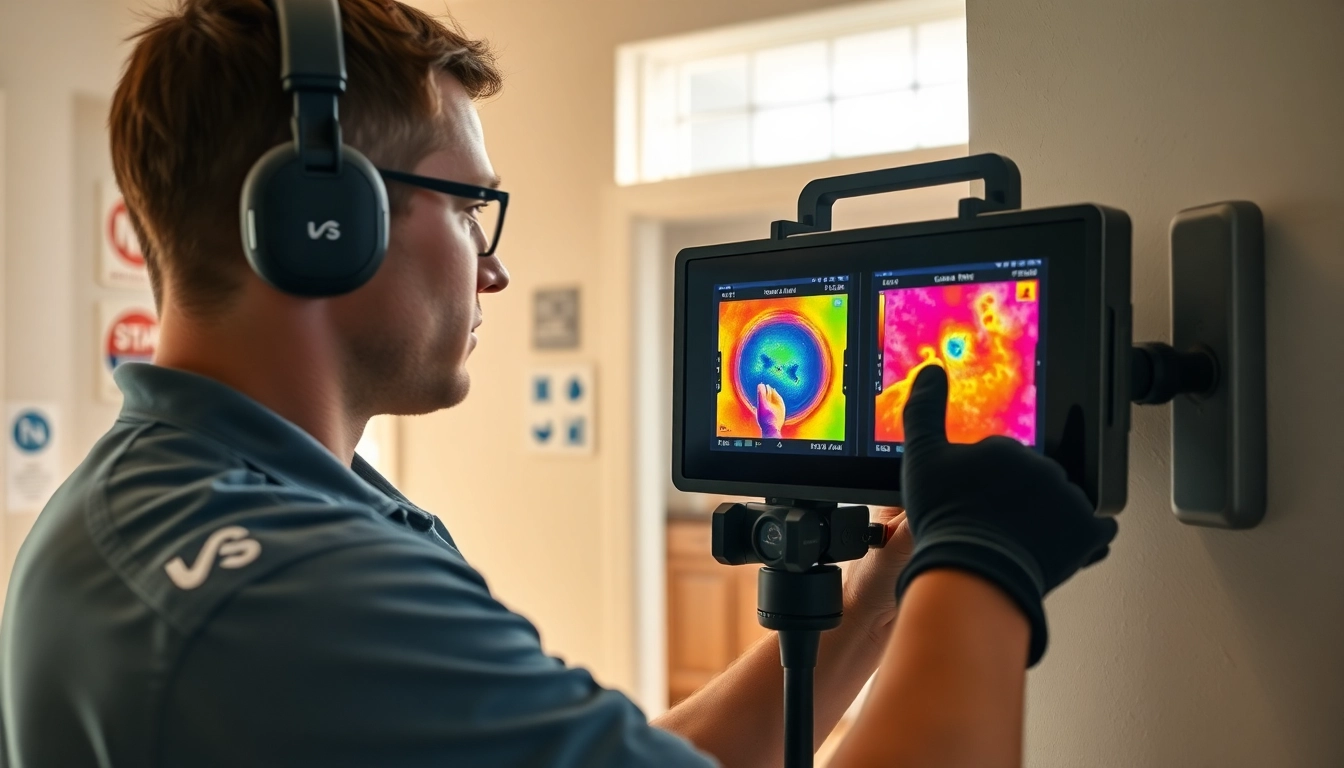

Understanding Spray Foam Removal West Sussex
When it comes to insulation and sealing solutions, spray foam has gained immense popularity due to its effectiveness in combating air leaks and improving overall energy efficiency. However, there may come a time when a property owner needs to consider spray foam removal West Sussex. This can be due to a variety of factors, ranging from structural concerns to health risks. Understanding these aspects is crucial for making informed decisions about the removal process.
What is Spray Foam?
Spray foam insulation is a two-component substance that when mixed together expands and hardens, forming an airtight seal. Generally composed of polyurethane and isocyanate, it adheres to a wide variety of surfaces, making it an ideal choice for residential and commercial applications. Known for its superior thermal performance and soundproofing abilities, spray foam has become a favored option amongst construction professionals.
Reasons for Removal
There are several reasons why a property owner may opt for the removal of spray foam insulation, including:
- Deterioration: Over time, spray foam can degrade due to exposure to moisture, UV light, or physical wear, leading to reduced performance.
- Remodeling: Homeowners undertaking renovations may need to remove existing spray foam to accommodate new designs or construction methods.
- Health Concerns: Some individuals may experience adverse health reactions to the chemicals in spray foam, necessitating its removal.
- Structural Inspection: If the structural integrity of a building is in question, removal may be necessary to inspect underlying materials.
Risks of Improper Removal
Improper removal of spray foam can lead to a variety of issues, including:
- Structural Damage: Aggressive removal techniques can damage underlying surfaces, leading to costly repairs.
- Health Risks: Without proper protective measures, individuals may be exposed to harmful chemicals or dust released during removal.
- Environmental Concerns: Improper disposal of spray foam can have negative environmental impacts, as it is not biodegradable.
Identifying the Need for Removal
Determining when spray foam needs to be removed requires careful assessment of various factors. Here are some key indicators to look for.
Common Signs of Damage
Typical signs that indicate the need for removal include:
- Visible Degradation: Cracking, crumbling, or discoloration of the spray foam is a clear sign of damage.
- Moisture Issues: If mold or mildew is present, it can signify moisture intrusion within the spray foam.
- Unusual Odors: Persistent odors emanating from within walls or ceilings may indicate problematic spray foam.
Assessing Structural Integrity
A thorough investigation of the property’s structural integrity is essential when considering spray foam removal. Areas susceptible to damage, like attics or crawl spaces, should be examined for signs of water infiltration, structural compromise, and insulation quality. Consulting a structural engineer before removal can provide expert insights.
Health Concerns Related to Spray Foam
Health risks can arise from spray foam insulation if inhaled or if skin contact occurs. Symptoms may include respiratory issues, skin irritation, or allergies. Individuals who experience these symptoms may need to consider removal, especially if the spray foam was improperly installed or has begun to degrade.
Methods of Spray Foam Removal
When it’s time to remove spray foam, understanding the available methods is essential. Here’s an overview of the most common techniques.
Mechanical Techniques
Mechanical removal typically involves using specialized tools to physically scrape or grind away the spray foam. This method is effective for large sections but requires careful handling to minimize damage to underlying surfaces. It is crucial to ensure that personnel are wearing appropriate protective equipment during this process.
Chemical Solutions
Chemical removal utilizes solvents designed to soften spray foam, making it easier to scrape off. However, caution is advised as these chemicals can pose health risks. Adequate ventilation and personal protective equipment (PPE) are necessary during this method. Always follow manufacturer guidelines for safety.
Best Practices for Safe Removal
To ensure a safe and effective removal process, follow these best practices:
- Assess the Area: Conduct thorough inspections before starting the removal process.
- Wear Protective Gear: Always use appropriate PPE such as gloves, masks, and goggles.
- Adhere to Safety Protocols: Follow all local regulations and guidelines for hazardous materials.
- Seek Professional Help: If unsure, consider consulting professionals experienced in spray foam removal.
DIY vs. Professional Services
Deciding between a DIY approach and hiring professionals for spray foam removal involves evaluating several factors such as cost, safety, and effectiveness.
Benefits of Hiring Professionals
Hiring experts to manage spray foam removal comes with many advantages:
- Experience: Professionals possess the necessary skills and knowledge to effectively remove spray foam.
- Safety: Trained experts employ safety protocols, minimizing risk to themselves and the property.
- Efficiency: Professionals have access to specialized tools, ensuring a quicker and more thorough removal process.
Consequences of DIY Removal
While DIY removal may appear cost-effective, it can lead to significant risks, including:
- Injury Risk: Improper handling of tools or chemicals can lead to accidents and injuries.
- Property Damage: Lack of experience can result in damage to walls, ceilings, or structures being inspected.
- Incomplete Removal: DIY efforts may leave behind leftover materials, causing further issues.
Cost Analysis: DIY vs. Professional
While the initial cost of DIY removal may seem lower, additional expenses can arise from injuries, damage, or poor-quality removal that necessitates hiring professionals later. On the other hand, professional services may require a more significant upfront investment but can save money in the long run by ensuring the job is done correctly the first time.
Post-Removal Considerations
Once the spray foam has been removed, there are several essential considerations to keep in mind to ensure the property remains in good condition.
Preparing for Structural Repairs
Following removal, it’s crucial to assess the condition of the underlying structure. Any damage discovered should be promptly addressed. This may include replacing framing, sheathing, or drywall. Taking these steps ensures that any moisture intrusion or other damage is mitigated before sealing the area again.
Maintenance Tips After Removal
After completing the removal and any necessary repairs, consider the following maintenance tips:
- Regular Inspections: Schedule routine checks to identify potential issues early.
- Monitor Humidity Levels: Use dehumidifiers in damp areas to prevent moisture build-up.
- Choose Suitable Insulation: Select insulation that matches the needs of your property to enhance energy efficiency.
Choosing the Right Insulation
After the removal process, it’s essential to consider what type of insulation will be installed next. Fiberglass batts, cellulose, or rigid foam board are commonly selected options. Each insulation type has its advantages, making it vital to select one that aligns with your property’s needs and energy efficiency goals.
FAQs about Spray Foam Removal West Sussex
1. How long does spray foam removal take?
The time required for spray foam removal varies by the size of the area and the method used. Generally, it may take a few hours to a full day for completion.
2. Can I remove spray foam insulation myself?
While it’s possible to remove spray foam yourself, it is recommended to hire professionals to avoid potential risks and ensure safety.
3. What precautions must be taken during removal?
Use adequate protective equipment such as masks, gloves, and goggles. Ensure proper ventilation and follow safe handling protocols for chemicals or tools.
4. Will I need to repair my home after removal?
Repairs may be necessary if any underlying damage was discovered during the removal. Assess the structure carefully and make any needed fixes.
5. How can I prevent future insulation issues?
Regular inspections, maintaining proper humidity levels, and selecting suitable materials can help minimize future insulation problems.