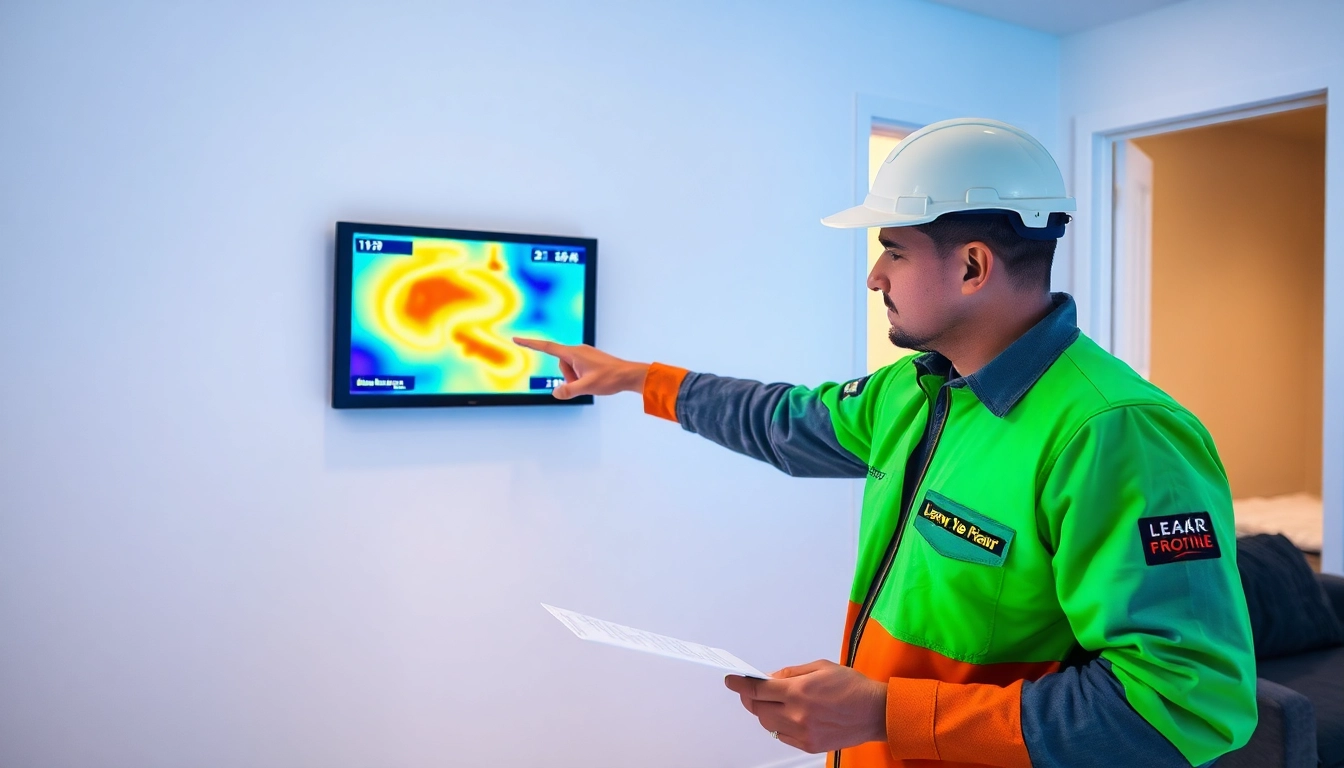

Understanding Spray Foam Removal Services
What is Spray Foam?
Spray foam is a versatile insulation material commonly used in both residential and commercial buildings. Comprised of a mixture of isocyanate and polyol resin, it expands upon application, creating an airtight seal. This effective barrier helps regulate temperature, reduce energy costs, and improve structural integrity. While spray foam is celebrated for its energy-efficient properties, it may need to be removed under certain conditions, necessitating a specialized spray foam removal service.
Importance of Professional Removal
Though removing spray foam may seem straightforward, improper techniques can lead to damage to the underlying structure, exposure to hazardous substances, and complications with following building codes. Professional removal ensures that the job is done efficiently and safely, preserving the integrity of the building and avoiding potential health risks associated with aerosolized chemicals.
Common Situations for Removal
There are several situations that might warrant the removal of spray foam insulation, including:
- Water Damage: If water penetrates the structure, spray foam can retain moisture, leading to mold growth.
- Structural Repairs: When walls or ceilings need repairing, existing spray foam may interfere with access.
- Health Concerns: Allergies or respiratory issues may require the removal of foam that off-gasses or harbors molds.
- Upgrades or Modifications: Homeowners might choose to remodel or upgrade insulation materials.
How Spray Foam Removal Works
Step-by-Step Process
The removal process of spray foam insulation generally follows these key steps:
- Assessment: Professionals evaluate the extent of removal needed and develop a removal plan.
- Preparation: The work area is isolated to prevent contamination of other rooms.
- Removal: Using specialized equipment, the foam is carefully cut and peeled away.
- Cleanup: The area is cleaned of debris, dust, and any chemical residues.
- Post-Removal Inspection: A final inspection ensures all foam has been removed and the area is safe.
Tools and Techniques Used
Professionals utilize various tools to safely remove spray foam, including:
- Reciprocating saws or rotary cutters: For cutting through thick foam layers.
- Industrial vacuums: For capturing debris and dust during the removal process.
- Scrapers: To gently scrape foam from surfaces without causing damage.
- PPE (Personal Protective Equipment): Including gloves and masks to protect against inhalation or skin contact with chemicals.
Safety Precautions for Professionals
Safety is paramount during foam removal. Key precautions include:
- Ventilation: Ensuring proper airflow in the workspace to dilute and disperse any harmful fumes.
- Protective Gear: Wearing equipment such as gloves, goggles, and respirators to prevent contact with toxic substances.
- Awareness of Electrical Systems: Taking care when working near electrical installations to avoid accidents.
- Health Monitoring: Frequent checks for symptoms of chemical exposure to ensure worker safety.
Benefits of Professional Spray Foam Removal Service
Ensuring Safety in Your Home
Employing a professional spray foam removal service ensures the safety of the home’s occupants. Trained technicians can identify and mitigate any hazards, such as mold growth resulting from moisture retention in the foam. By adhering to safety standards, professionals provide peace of mind that the home’s environment will remain free from harmful chemicals or allergens.
Protecting Your Property Value
Neglecting damaged or improperly installed spray foam can lead to significant dinges in property value. Professional removal and subsequent repairs or renovations can enhance a home’s aesthetic appeal and functional quality, making it more attractive to potential buyers or appraisers.
Efficiency and Speed of Service
Professional teams typically possess the tools and expertise to remove foam quickly and efficiently. This not only minimizes your home’s downtime but also ensures that the area can be prepped for next steps, whether that involves new insulation installation or repairs. Professionals can typically finish the task in a fraction of the time it would take an untrained individual.
Key Considerations When Choosing a Service
Evaluating Potential Providers
When selecting a spray foam removal service, consider the following:
- Experience: Look for providers with a proven track record and extensive experience in foam removal.
- Certifications: Ensure they hold relevant licenses and certifications in hazardous materials management.
- Professional Equipment: They should utilize state-of-the-art tools and techniques for removal.
Understanding Costs and Estimates
The cost of spray foam removal can vary based on the size of the job and the complexity involved. It’s essential to obtain detailed estimates and understand what factors contribute to the overall price, such as materials, labor, and disposal fees. Comparing multiple estimates can help ensure you receive fair pricing.
Reviews and Customer Feedback
Check online reviews and testimonials to gauge past customers’ satisfaction levels. Direct feedback can offer insight into the quality of service, responsiveness, and professionalism. Additionally, seeking referrals from friends or family can lead you to reliable options worth considering.
Frequently Asked Questions about Spray Foam Removal Service
How long does the removal process take?
The duration of the removal process can vary based on the volume of foam and the complexity involved but usually ranges from a few hours to a couple of days.
Is the removal process safe for my family?
Yes, professional services take safety precautions to ensure the process is safe for all occupants, using protective gear and ensuring ventilation.
Can I perform spray foam removal myself?
While DIY removal is possible, it is not advisable due to safety risks and potential damage to your property. Hiring professionals is recommended.
What are the signs I need removal services?
Signs indicating the need for removal include mold presence, unpleasant odors, or noticeable property damage due to the foam.
How can I maintain a foam-free space post-removal?
To maintain a foam-free environment, ensure proper ventilation, address any water leaks, and regularly inspect areas prone to mold or mildew growth.