
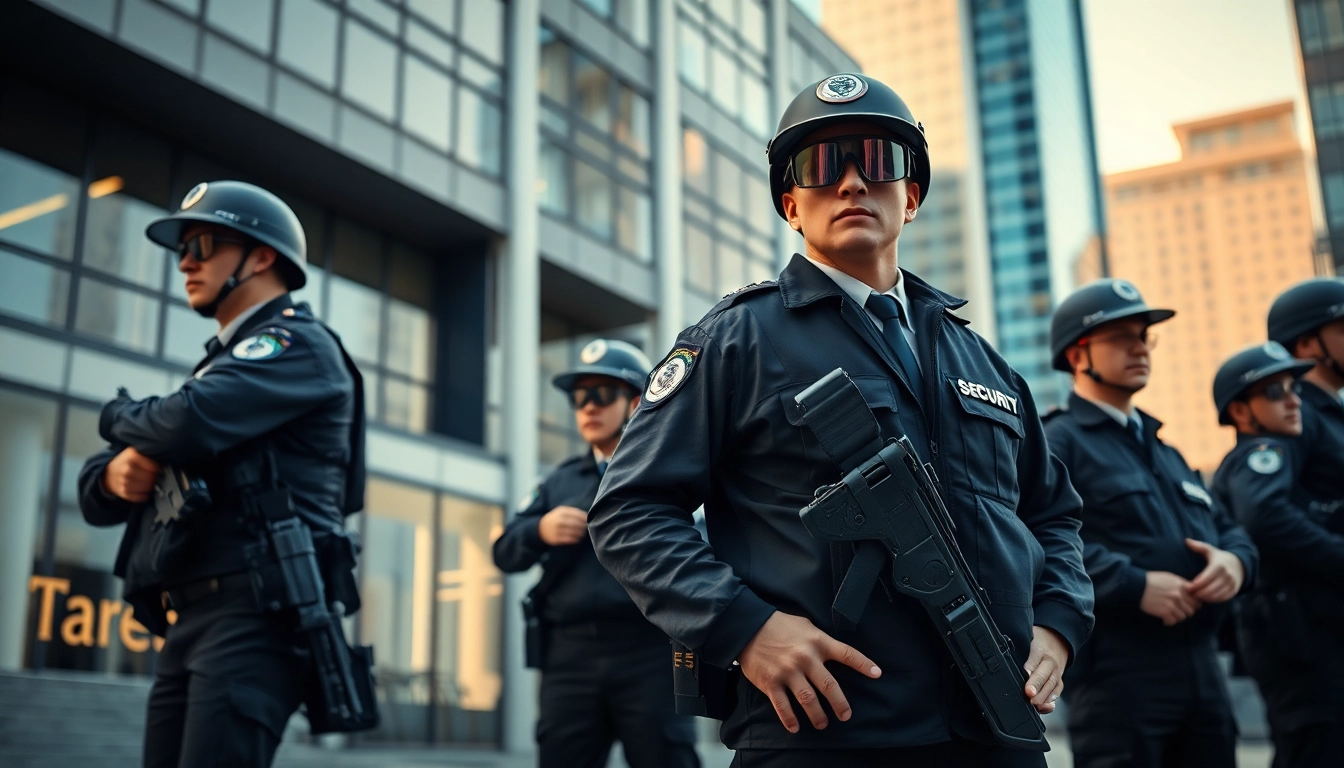
The Importance of Private Security in Modern Society
In an unpredictable world, ensuring safety and security has become a pivotal concern for individuals and organizations alike. The demand for tailored and efficient security solutions has led to the rise of private security services, which provide specialized protection beyond what traditional law enforcement can offer. From safeguarding properties to managing risks during large events, the role of private security is increasingly significant in modern society.
Why Choose Private Security Services?
Private security services have emerged as a reliable option for many areas where public law enforcement may fall short. One of the primary reasons individuals and businesses opt for these services is the need for immediate response times. Unlike public agencies, private security firms can mobilize quickly and tailor their services to the unique requirements of their clients.
Moreover, private security agents receive specialized training that often includes crisis management, conflict resolution, and emergency preparedness. This specific skill set allows them to handle sensitive situations more effectively, offering peace of mind to their clients.
Key Benefits of Private Security
- Personalized Solutions: Services can be customized to meet individual client needs, factoring in location, assets, and vulnerabilities.
- Proactive Prevention: Private security operates with a preventive mindset, aiming to thwart potential threats before they materialize.
- Confidentiality: Professional guards respect client privacy and ensure sensitive information remains secure.
- Scalability: Security solutions can be adjusted to match changes in demand, such as increased security during events or sensitive operations.
Private Security vs. Public Law Enforcement
Understanding the differences between private security and public law enforcement is essential for making informed decisions about safety. While public police forces prioritize community safety and crime prevention, they often face limitations due to budget constraints, personnel shortages, and bureaucratic procedures. In contrast, private security creates tailored strategies that can directly address the specific concerns of their clients.
This specialization enables private security providers to fill crucial gaps, ensuring higher levels of protection and dedicated attention to various security challenges.
Types of Private Security Services Available
Residential Security Solutions
Residential security is vital in today’s chaotic environment where home invasions and burglaries are prevalent. Private security services offer a range of solutions designed to protect homes and families, including:
- 24/7 Monitoring: Surveillance systems and alarm monitoring provide continuous protection, enabling prompt responses to any breaches.
- Patrol Services: Security personnel conduct routine patrols of neighborhoods or gated communities, deterring suspicious activities.
- Consultation Services: Security experts evaluate homes and provide recommendations for enhancing safety measures.
Corporate Security Measures
For businesses, security is paramount to protect assets, employees, and sensitive information. Key corporate security measures include:
- Access Control Systems: Managing who can enter specific areas within a facility prevents unauthorized access.
- On-Site Security Personnel: Trained security guards can manage visitors, enforce company policies, and respond to emergencies.
- Risk Assessments: Regular evaluations of security practices help identify vulnerabilities and implement corrective measures.
Event Security Management
Events can draw large crowds, which necessitates effective security planning to prevent disruptions or incidents. Factors involved in event security management include:
- Planning and Coordination: Adequately preparing for events by assessing potential risks and developing a comprehensive security plan.
- Emergency Response Teams: Having trained security forces on-site who can handle any emergencies that arise quickly and efficiently.
- Guest Management: Ensuring security procedures are in place to handle crowds, check tickets, and screen for prohibited items.
Choosing the Right Private Security Provider
Evaluating Credentials and Experience
When selecting a private security provider, verifying their credentials and experience is vital. Look for companies that are licensed, insured, and have a strong reputation in the industry. Positive client testimonials and case studies illustrating effective security implementation can also indicate reliability and competence.
Understanding Service Agreements
Prior to engaging a private security service, it’s essential to understand the service agreements. These contracts should outline the scope of work, fees, and the specific responsibilities of both parties. Always read the fine print to avoid misunderstandings about the extent and limitations of the services provided.
Key Questions to Ask Before Hiring
Before making a decision, consider asking these questions:
- What type of training do your security personnel undergo?
- Can you provide references or case studies of similar businesses or residences?
- What measures do you take to ensure client confidentiality?
- How do you handle emergencies or incidents on-site?
- What technology do you utilize in your security solutions?
Challenges in the Private Security Industry
Technological Adaptations
The landscape of security services is constantly evolving, and private security firms must adapt to new technologies. Implementing advanced surveillance systems, real-time reporting, and data analytics is crucial for staying ahead of potential threats. However, navigating this technological landscape can be challenging, requiring ongoing investment and training.
Managing Client Expectations
Every client has unique needs and perceptions of what security entails. Managing expectations involves clear communication about security capabilities and limitations. It’s essential to align the client’s understanding with the reality of what the security team can provide to foster positive relationships and satisfactory outcomes.
Training and Retention of Security Personnel
High turnover rates among security personnel pose a significant challenge for the industry. Investing in comprehensive training programs not only enhances skills but also improves job satisfaction, thus promoting retention. Organizations focusing on career development and benefits often find greater success in maintaining a reliable workforce.
The Future of Private Security Services
Emerging Trends in Security Technology
As technology advances, so too do the methods of enhancing security. Innovations like facial recognition systems, drones for surveillance, and AI-driven analysis are becoming standard. These technological advancements allow for proactive monitoring and the ability to respond quickly to detected threats.
The Role of Data Analytics in Security
Data analytics plays an increasingly vital role in the security sector. By analyzing patterns and trends, security experts can better predict and mitigate potential risks. Comprehensive data collection and analysis enable more efficient resource allocation and incident response effectiveness.
Predictions for Private Security Growth
Industry experts predict continued growth in the private security sector. As security concerns escalate globally, more businesses and individuals will seek customized security solutions. This heightened demand will compel security firms to innovate and adapt swiftly to meet clients’ evolving needs.
FAQs about Private Security
1. What does private security include?
Private security includes various services like residential security, corporate security measures, event management, and risk assessments tailored to client needs.
2. How do I choose a private security company?
Evaluate their credentials, experience, client reviews, and service agreements, and ask pertinent questions about their approach to security.
3. Why is private security necessary?
Private security offers customized solutions tailored to specific needs, often providing faster response times than public law enforcement which can be stretched thin.
4. What training do security personnel receive?
Security personnel typically undergo training in conflict resolution, emergency response, surveillance operations, and client confidentiality practices.
5. How does technology enhance private security?
Technological advancements, such as AI and data analytics, improve surveillance, threat assessment, and overall response capabilities in private security services.