
Understanding Petanque: The Basics for New Players
Petanque, a popular sport deeply rooted in French culture, has found its way to many corners of the globe, including Indonesia. As a precision sport that emphasizes technique and strategy, it has garnered interest among both casual players and serious athletes. For those looking to dive into this exciting game, understanding its foundational elements is essential. fopikotamakassar.org provides comprehensive insights to help you get started and immerse yourself in the petanque community in Makassar.
What is Petanque and Its History?
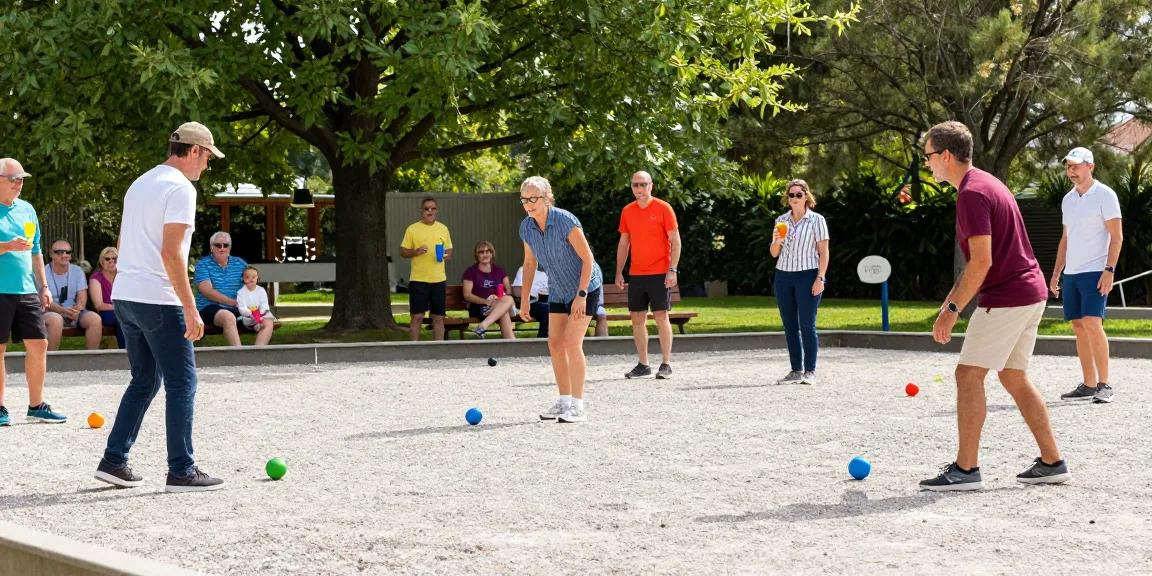
Petanque originated in France in the early 20th century and has evolved into a beloved pastime and competitive sport worldwide. The game’s name derives from the Occitan phrase “pè tanco,” which means “feet together,” describing the stance players adopt while throwing their boules. The sport emphasizes skill, precision, and tactical play as players aim to throw metal balls (boules) as close as possible to a small wooden ball called the “cochonnet” or “jack.”
In Indonesia, petanque’s journey began with French expatriates introducing the sport to various regions, including Jakarta, Lombok, Yogyakarta, and Bali. The opening of petanque facilities in hotels managed by French nationals, such as the Novotel in Kuta, paved the way for the sport’s integration into local culture. By the 1990s, the sport had begun to take root thanks to the efforts of individuals like Eddie Lim, who first learned the game in Jakarta before spreading its popularity to Singapore.
The Rules of the Game Explained
The objective of petanque is simple: players or teams take turns throwing their boules towards the cochonnet, aiming to position their boules closer than their opponent’s. Key rules include:
- Each player starts with three boules.
- The game can be played in singles, doubles, or triplets.
- The first team to reach 13 points wins the game, with points awarded based on how many boules are closer to the cochonnet than the opponent’s closest boule.
Players must throw their boules from a designated circle, standing with both feet firmly on the ground. The strategy involves a mix of shooting (knocking opponents’ boules away) and pointing (placing one’s boules close to the cochonnet).
Essential Equipment for Petanque Players
To play petanque, players require a few basic pieces of equipment:
- Boules: These metal balls come in various sizes and weights, allowing players to choose according to their preference.
- Cochonnet: A small wooden ball that serves as the target.
- Measuring tape: Essential for determining the closest boule when scores are tight.
Many players also prefer to wear comfortable attire and shoes that provide good grip on various terrains, enhancing their ability to perform effectively.
Skill Development: Mastering Petanque Techniques
As with any sport, mastering techniques in petanque takes time and practice. Newer players should focus on developing their precision, strategic thinking, and physical skills to improve their gameplay.
Throwing Techniques for Accuracy and Distance
In petanque, a player’s throwing technique can greatly influence the outcome of the game. Key techniques include:
- The Point: Aimed at placing the boule close to the cochonnet. It requires a smooth, controlled throw.
- The Shot: Involves using more force to hit an opponent’s boule out of play. This technique often requires additional practice to master.
Practicing both types of throws will help players become versatile and adapt to different situations during a game.
Developing Strategy: Positioning and Shot Selection
Strategic gameplay in petanque involves careful consideration of position and shot selection. Players should develop a keen sense of when to point and when to shoot, as well as how to read the game. Engaging in practice matches with various opponents can sharpen decision-making skills and improve game sense.
Practice Drills to Improve Your Game
To build skills, players can adopt various drills, such as:
- Target Practice: Set up scenarios with the cochonnet at different distances to improve accuracy.
- Game Simulation: Play mock matches against different partners to gain experience in diverse strategies and styles.
Routine drills boost confidence and refine essential skills needed during actual competitions.
Joining the Community: Engaging with FOPI Kota Makassar
Being part of a community enhances the petanque experience, providing opportunities for learning, networking, and competition. FOPI Kota Makassar serves as a hub for players of all skill levels to connect and grow in the sport.
Upcoming Tournaments and Events in 2026
As petanque continues to gain popularity within Indonesia, FOPI Kota Makassar is set to host several tournaments and events in 2026. These events not only provide a platform for competition but also foster community spirit and collaboration among players and enthusiasts alike.
How to Connect with Other Petanque Enthusiasts
Connecting with fellow players can happen through various avenues:
- Social Media: Join petanque-focused groups and follow FOPI Kota Makassar on platforms like Facebook and Instagram.
- Local Clubs: Engaging with local clubs can lead to regular practice sessions and friendly matches.
Networking within the community enriches the playing experience and provides motivation to improve.
Benefits of Becoming a Member of FOPI
Membership in FOPI Kota Makassar offers numerous benefits, including access to exclusive training sessions, information on upcoming competitions, and discounts on equipment and registrations. Members can also engage in workshops aimed at improving their skills, ensuring a well-rounded growth in the sport.
Health and Fitness: The Benefits of Playing Petanque
Engaging in petanque contributes to physical and mental health, making it an excellent choice for individuals looking to lead an active lifestyle.
Physical Benefits: Strength and Endurance
While petanque may seem less physically demanding than other sports, it still requires a degree of physical fitness. Regular play helps improve coordination, balance, and core strength. It also offers a low-impact form of exercise, making it accessible for players of all ages.
Mental Benefits: Focus and Social Interaction
Beyond physical fitness, petanque fosters mental well-being. The game encourages strategic thinking and focus, requiring players to analyze situations and make quick decisions. Additionally, petanque serves as a fantastic social activity, allowing players to meet new friends and strengthen existing relationships.
Incorporating Petanque into a Balanced Lifestyle
For optimal health benefits, players should incorporate petanque into a broader fitness regime, including stretching and strength training. Participation in regular games provides a fun way to stay active while promoting camaraderie within the community.
The Future of Petanque in Indonesia: Trends and Predictions
The growth of petanque in Indonesia looks promising, with continued interest from both locals and expatriates. As the sport gains traction, future developments will likely shape how it is played and perceived.
Emerging Talents in the Petanque Scene
Younger generations are showing increased interest in petanque, leading to the emergence of new talents. FOPI is actively scouting for promising players to nurture and develop, ensuring a bright future for the sport.
Impact of Technology on Training and Strategy
With advancements in technology, players can access data analytics and video analysis tools to improve their skills. These resources provide insights into performance, helping athletes refine techniques and strategies.
Community Support for Growing the Sport in 2026
Community initiatives, such as workshops and public demonstrations, play a vital role in popularizing petanque. Engaging local schools and youth clubs will further nurture interest and participation in the sport.
What is Petanque and Its Influence on Local Culture?
Petanque’s integration into Indonesian culture signifies more than just a sport; it represents a blend of traditions. The community-driven nature of the game fosters inclusivity, allowing individuals from various backgrounds to engage and collaborate.
How Can Petanque Contribute to Local Tourism?
As petanque events gain recognition, they can attract tourists, adding value to local economies. Hosting international tournaments could position Makassar as a destination for petanque enthusiasts, promoting cultural exchange and tourism.
Why is Petanque Growing in Popularity Among Young Players?
The simplicity of petanque, combined with its social elements, makes it appealing to younger audiences. Accessible setups and community-driven events encourage youths to participate, ensuring the sport’s longevity and ongoing popularity.