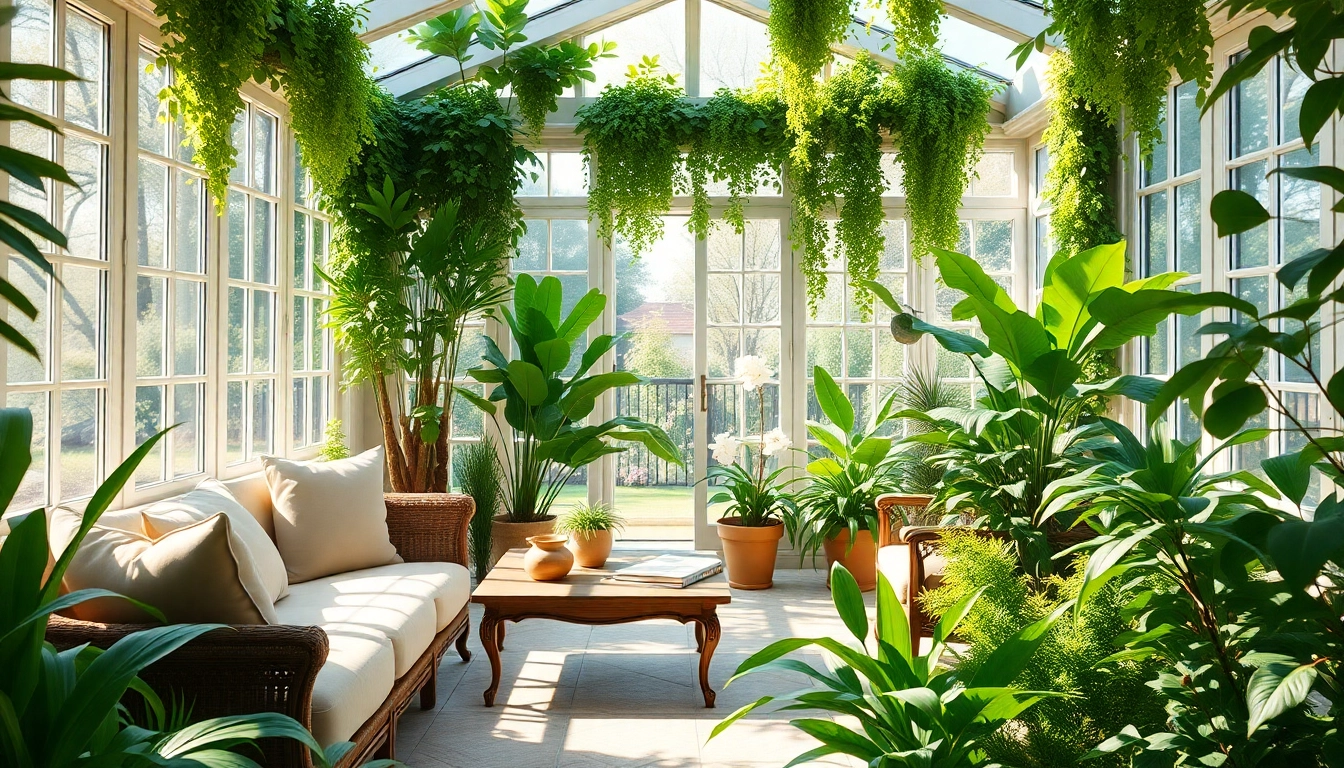
What Is a Sunroom and How Can It Enhance Your Home?
A sunroom is a glass-enclosed space designed to bring the outdoors inside, allowing for natural light to flood in while providing a comfortable area to relax. Often referred to as a solarium, garden room, or sun porch, this architectural feature merges functionality with beauty, creating a versatile space for various activities. Sunrooms can serve as dining areas, lounging spaces, or even as expansive greenhouses for plant enthusiasts, offering both aesthetic appeal and practical benefits.
Definition and Purpose of a Sunroom
Traditionally, a sunroom is a structure that extends from the main house and includes extensive windows or glass panels, allowing sunlight to penetrate and heat the room. This enhances indoor spaces with warmth and brightness, potentially eliminating the need for extensive artificial lighting during the day. The purpose of a sunroom varies— it can be a personal retreat, a place for entertaining guests, or even a semi-outdoor living area during favorable weather. Beyond its functional appeal, a sunroom can also enhance the aesthetic value of a home, making it more attractive and increasing its marketability.
Comparative Benefits of Adding a Sunroom
Adding a sunroom to your home offers numerous benefits. Here are a few significant advantages:
- Increased Natural Light: Sunrooms maximize natural light, leading to improved mood and energy levels.
- Outdoor Views: They provide a perfect vantage point for enjoying views of your garden or landscaping, regardless of the weather.
- Adds Value: A well-designed sunroom can increase your property's value and appeal to potential buyers.
- Versatility: Sunrooms can serve multiple purposes, from gathering spaces to personal workspaces.
- Energy Efficiency: By utilizing solar energy for heating, a sunroom can reduce heating costs during colder months.
Understanding the Different Styles of Sunrooms
Sunrooms come in various styles, each catering to different functional needs and architectural preferences:
- Traditional Sunroom: A classic design featuring large glass windows and often a gable roof.
- Three-Season Sunroom: This is typically designed for use during spring, summer, and fall. It often has fewer insulation features.
- Four-Season Sunroom: Designed for year-round use; it includes insulated walls and glass, allowing comfortable use in all seasons.
- Convertible Sunroom: A space that can be opened up to outside or closed off depending on the day's weather.
Designing Your Ideal Sunroom
Choosing the Right Location for Your Sunroom
The location of your sunroom is vital for maximizing sunlight exposure and enhancing your home's overall flow. Here are some key considerations:
- Orientation: South-facing sunrooms typically receive the most sunlight, making them ideal for warmth and brightness.
- Accessibility: Ensure it's easily accessible from your home for seamless integration into your daily life.
- Landscape Considerations: Take advantage of views, but consider privacy from neighbors and wind exposure.
Popular Materials and Features for Sunroom Construction
When designing a sunroom, choosing the right materials is crucial. Here are popular options:
- Glass: The primary material for walls and roofs, it should offer energy efficiency with double- or triple-panel options.
- Frames: Materials such as wood, aluminum, or vinyl each offer different aesthetics and maintenance needs.
- Flooring: Durable materials like tile or hardwood are preferred for easy cleaning and ability to withstand moisture.
- Roofing: Options include glass roofs for an open feel or solid roofs for better insulation.
Incorporating Natural Light: The Key to a Bright Sunroom
To maximize the light in your sunroom, consider these design tips:
- Skylights: Install skylights to allow light from above, especially in the darkest areas.
- Window Placement: Strategically place large windows on sides that face the sun.
- Light-Colored Decor: Use light colors for walls and furnishings to reflect and amplify the brightness.
Cost Considerations When Adding a Sunroom
Budgeting for Your Sunroom Project
Creating a financial plan is essential for your sunroom project. Here are some aspects to consider while budgeting:
- Design and Planning Costs: Hire professionals for architectural planning, which is crucial for maintaining structural integrity.
- Material Costs: Prices vary widely based on the materials chosen; set aside funds for high-quality options that suit your climate.
- Installation Fees: Professional installation can provide peace of mind and ensure that the job is done correctly.
Financing Options for Sunroom Additions
You might find financing options such as home equity loans, personal loans, or using savings to fund your sunroom project. Each has its pros and cons:
- Home Equity Loans: Often provide lower interest rates but put your home at risk if you cannot repay.
- Personal Loans: Quick and easy; however, they may come with higher interest rates.
- Saving: The most straightforward approach, though it may take longer to complete your project.
Typical Cost Breakdown for Sunroom Construction
The overall costs of a sunroom can vary significantly depending on size, materials, and features. A general breakdown includes:
- Foundation: $5,000 - $15,000 based on the size and type.
- Framing and Walls: $10,000 - $25,000 depending on design and materials.
- Roofing: $5,000 - $15,000 depending on chosen materials and insulation.
- Interior Finishes: $2,000 - $10,000 for flooring, paint, or decor.
Sunroom Maintenance: Keeping It Beautiful
Cleaning and Upkeep Tips for Your Sunroom
Regular maintenance ensures your sunroom remains an inviting space. Consider these upkeep tips:
- Window Cleaning: Clean windows regularly to maintain visibility for enjoying views and sunlight.
- Surface Care: Wipe down surfaces and vacuum furniture to avoid dust buildup and maintain freshness.
- Inspect for Damage: Regularly check for any weather-related damage or wear that needs addressing.
Decor Ideas to Refresh Your Sunroom's Look
Enhancing the aesthetic of your sunroom can make it feel fresh and inviting. Try these decor ideas:
- Indoor Plants: Use a variety of indoor plants to instill life and vibrancy.
- Comfortable Furnishings: Select lounge chairs and tables for coziness and style.
- Lighting Features: Incorporate floor lamps or sconces to create ambiance, especially during evening use.
Seasonal Preparations for Your Sunroom
Keep your sunroom functional year-round with seasonal maintenance:
- Winter: Insulate windows better and ensure heating systems are functional for cold months.
- Summer: Use sunshields or reflective film to reduce glare and heat buildup.
- Spring: Refresh plants and decor after winter; consider repainting if needed.
- Fall: Prepare the space for the colder months by cleaning gutters and checking seals around windows.
Frequently Asked Questions About Sunrooms
What type of sunroom is best for my climate?
The best type of sunroom depends on your climate. Four-season sunrooms are ideal for colder climates, while three-season rooms can work in milder areas.
Can I use a sunroom year-round?
Yes, a four-season sunroom is designed for year-round use, incorporating insulation and climate control features.
Do I need a permit to build a sunroom?
In most cases, yes, a permit is required. Regulations can vary by location, so check local building codes.
How do I insulate my sunroom effectively?
Effective insulation involves using double- or triple-glazed windows, sealing gaps around windows and doors, and considering insulated roofing options.
What furniture is suitable for a sunroom?
Choose light, weather-resistant furniture made from materials like wicker or aluminum, complemented by soft, cozy cushions for comfort.