The rise of Smart Home technology has completely transformed how homeowners think about safety, privacy, and property protection. What was once limited to basic alarm systems has evolved into intelligent, interconnected ecosystems that actively monitor, analyze, and respond to threats in real time. At Deep Dive Picks, we explore how Smart Home devices are no longer just luxury gadgets but essential tools that provide layered security, automation, and peace of mind for modern households. As global concerns around burglary, package theft, and personal safety grow, investing in a well-planned Smart Home security setup has become one of the most effective ways to protect loved ones and valuable assets.
Unlike traditional systems that only alert users after an incident has occurred, a modern Smart Home security network is designed to prevent threats before they happen. Through artificial intelligence, motion sensors, real-time alerts, and intelligent automation, today’s security devices can detect unusual behavior, send instant notifications, and even contact emergency services automatically. This proactive approach makes Smart Home protection highly effective, particularly for busy families, travelers, and property owners who want remote access and control. The combination of convenience, reliability, and advanced monitoring makes Smart Home security one of the most powerful tools available in modern home defense.
Understanding How Smart Home Security Works
A reliable Smart Home security system functions as a connected network of intelligent devices that communicate with each other through Wi-Fi, Bluetooth, or dedicated hubs. These systems typically consist of sensors, cameras, smart locks, alarms, and control panels that work together as a single, unified ecosystem. Data collected by these devices is processed in real time and delivered to the homeowner through mobile apps, dashboards, or voice assistants, offering visibility and control from virtually anywhere in the world.
The true advantage of a Smart Home security framework lies in its automation and adaptability. For example, motion sensors can trigger cameras to record high-definition video, activate lights, and send security alerts instantly. Smart locks can automatically secure doors at scheduled times, while smart doorbells can provide two-way communication with visitors. Over time, machine learning enables these systems to recognize patterns, distinguish between regular household activity and suspicious behavior, and reduce false alarms. This intelligent behavior gives the Smart Home system the ability to think, react, and improve based on real-world data.
Smart Home Security Cameras and Their Impact on Safety
Security cameras are a foundational pillar of any Smart Home protection strategy. Modern cameras go far beyond simple video recording by offering live streaming, night vision, facial recognition, and intelligent motion tracking. These devices allow homeowners to visually verify events as they happen and maintain a record of activity for future reference. With cloud storage and local backup options, Smart Home cameras ensure that critical footage is safely preserved, even in the event of power loss or device tampering.
One of the most powerful features of Smart Home cameras is intelligent detection. Rather than recording continuously, these systems can identify human figures, vehicles, animals, and unfamiliar movement patterns. This ensures that the homeowner receives meaningful alerts instead of false notifications caused by pets, lighting changes, or moving branches. The psychological impact of visible Smart Home cameras also plays a major role in crime prevention, as potential intruders are far less likely to target homes that clearly demonstrate advanced surveillance capabilities.
The Role of Smart Door Locks in Modern Home Security
Smart door locks represent one of the most practical and impactful Smart Home security upgrades available to homeowners today. Unlike traditional mechanical locks, these devices use encrypted digital systems to control access and provide detailed logs of entry and exit activity. Users can lock or unlock doors remotely, create temporary access codes, and receive instant alerts when doors are opened or left unsecured. This level of control significantly reduces the risk of unauthorized access and human error.
Within a Smart Home ecosystem, smart locks can be programmed to work alongside other security devices. For instance, unlocking the front door can automatically disarm the alarm system and adjust lighting settings. In emergency situations, smart locks can grant remote access to trusted family members or emergency responders. The ability to monitor, manage, and customize entry permissions adds a new layer of sophistication to Smart Home security, making it far superior to traditional locking mechanisms.
Smart Motion Sensors and Their Preventative Capabilities
Motion sensors are another essential component of a comprehensive Smart Home security strategy. These devices use infrared, ultrasonic, or microwave technology to detect movement within designated areas. When integrated into a Smart Home system, motion sensors can activate cameras, trigger alarms, and send real-time alerts directly to the homeowner’s smartphone. This instant response capability is crucial for preventing break-ins and identifying unusual activity before it escalates into a serious security incident.
Advanced Smart Home motion sensors are highly customizable and can be adjusted to specific sensitivity settings and activity zones. Homeowners can configure them to ignore minor movements, such as pets, while remaining hyper-aware of human activity. These sensors also contribute to energy efficiency by triggering smart lighting only when movement is detected, adding both security and sustainability benefits. The dual function of protection and convenience makes Smart Home motion sensors an indispensable tool for modern security.
Smart Doorbells and Real-Time Visitor Management
Smart doorbells have rapidly become one of the most popular Smart Home security devices due to their practicality and ease of use. These devices integrate cameras, microphones, and speakers to provide real-time video and audio communication with anyone at the front door. Even when homeowners are away, they can interact with delivery personnel, monitor package drop-offs, and deter suspicious visitors through remote access features. This level of visibility dramatically reduces the risk of package theft and unwanted entry attempts.
The integration of smart doorbells within a Smart Home network enables seamless automation and enhanced security. For example, ringing the doorbell can trigger indoor cameras to begin recording while simultaneously sending a notification to the homeowner’s smartphone. Over time, facial recognition features can identify familiar faces and distinguish them from strangers, giving the Smart Home system the ability to make intelligent decisions about alert priority and response. This intelligent functionality turns the front door into an active security checkpoint rather than a passive entry point.
Smart Alarms and Emergency Response Systems
Smart alarms are a critical aspect of any serious Smart Home security infrastructure. Unlike traditional siren-based alarms, smart alarms are designed to communicate in real time with homeowners, monitoring services, and even local emergency responders. When triggered, these systems can send instant notifications, activate cameras, and provide live updates to relevant parties. This rapid communication can significantly reduce response times and limit potential damage.
Modern Smart Home alarm systems are also highly adaptable, allowing homeowners to create customized security zones and schedules. For example, perimeter sensors can be activated at night while interior motion detectors remain off to allow for free movement inside the home. Panic buttons, fire detection, and carbon monoxide monitoring features further extend the protective capabilities of a Smart Home environment. This multi-layered approach ensures comprehensive security coverage that adapts to real-life living patterns.
The Importance of Smart Lighting in Security
Smart lighting systems play an often underestimated but highly effective role in Smart Home security. Properly configured lighting can deter intruders by creating the illusion of occupancy, even when the home is empty. Through scheduling and automation, lights can turn on and off at random intervals, mimicking natural human activity and significantly reducing the likelihood of targeted break-ins. This simple yet powerful technique is one of the most effective crime prevention strategies available.
Within a fully integrated Smart Home system, lighting can be triggered by motion sensors, door events, and alarm activity. For instance, detecting movement outside the home can instantly illuminate entry points and pathways. This not only enhances visibility but also draws attention to suspicious activity. The combination of visibility, automation, and intelligent triggers makes Smart Home lighting a silent but highly influential component of home security.
Centralized Smart Home Control and Automation
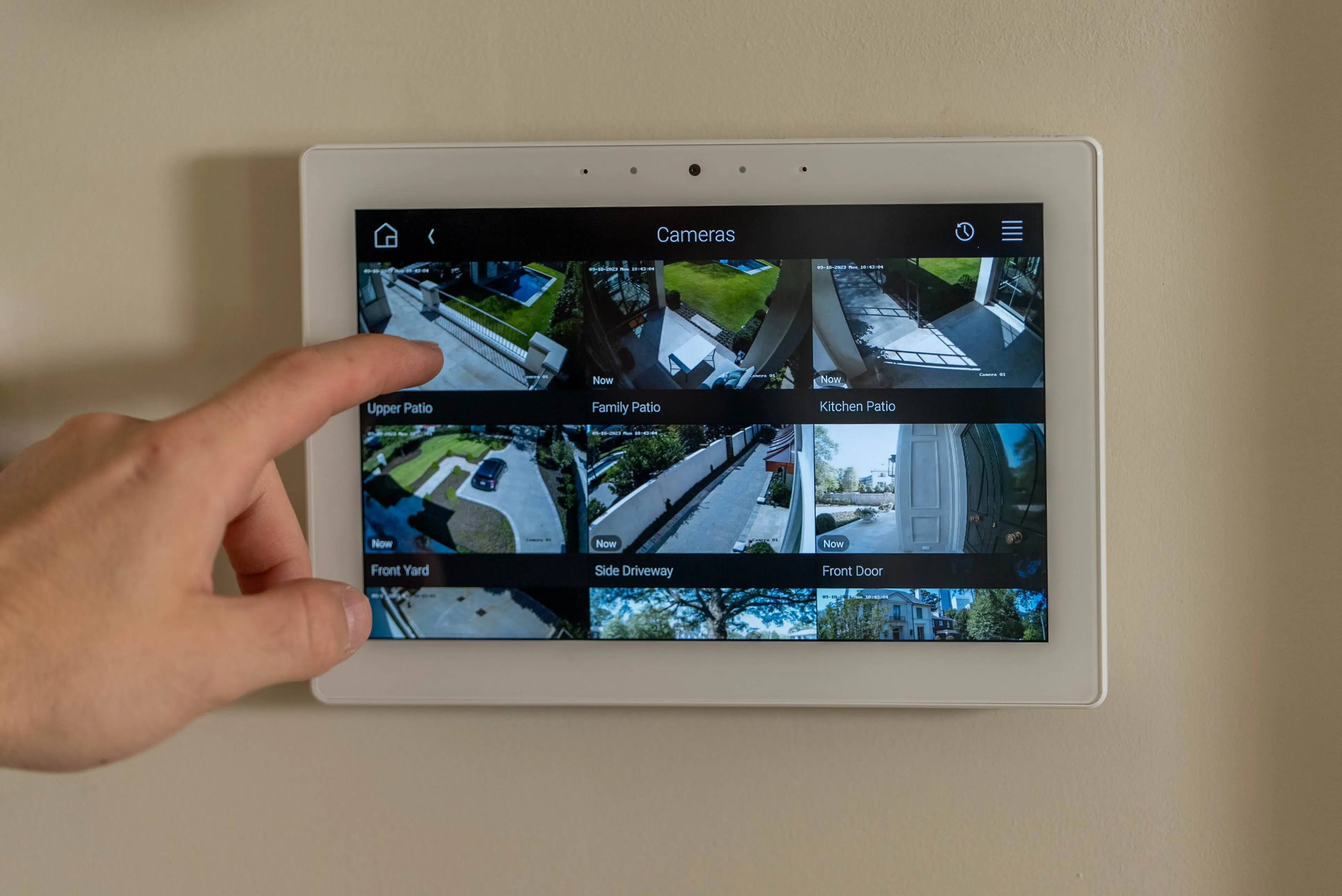
A defining advantage of Smart Home security is the ability to centralize control through a single interface. Homeowners can manage cameras, locks, sensors, lighting, and alarms from a unified dashboard or mobile application. This centralized approach simplifies system management and ensures that all devices work cohesively to provide maximum protection. Instead of juggling separate systems, a well-designed Smart Home environment delivers clarity, convenience, and control in one place.
Automation takes this concept even further by allowing homeowners to create conditional rules and routines. For example, a “goodnight” routine can automatically lock doors, activate motion sensors, adjust thermostats, and turn off lights. In a Smart Home context, such automation reduces human error and enhances overall security by ensuring that critical safety tasks are never overlooked. This strategic automation transforms passive devices into an active, responsive security network.
Smart Home Security and Data Privacy Considerations
As Smart Home systems collect and process large amounts of data, privacy and cybersecurity become essential considerations. Video footage, access logs, and behavioral patterns are valuable information that must be protected from unauthorized access. Modern Smart Home devices employ encryption, multi-factor authentication, and secure cloud storage to safeguard sensitive data. Homeowners can further enhance protection by using strong passwords and regularly updating device firmware.
The balance between convenience and privacy is a defining characteristic of Smart Home security. While remote access and intelligent automation provide tremendous benefits, they also require responsible management. Choosing reputable manufacturers, enabling advanced security settings, and monitoring system activity are critical practices for maintaining trust in a Smart Home environment. When implemented correctly, these measures ensure that enhanced security does not come at the expense of user privacy.
Professional Monitoring vs Self-Monitored Smart Home Systems
A significant decision for homeowners is whether to use professional monitoring services or rely on self-monitored Smart Home systems. Professionally monitored systems provide 24/7 supervision through dedicated security centers that can contact emergency services on the homeowner’s behalf. This added layer of support is particularly valuable for families, elderly residents, or those who travel frequently. Professional monitoring enhances reliability and ensures immediate action during critical situations.
On the other hand, self-monitored Smart Home systems offer greater flexibility and lower ongoing costs. Homeowners receive direct alerts and have full control over response decisions. This option is ideal for tech-savvy users who prefer hands-on management of their security environment. Both approaches have merit, and the choice often depends on lifestyle, risk assessment, and personal preferences. In either case, the adaptability of Smart Home technology ensures a high level of protection.
Smart Home Security for Apartments and Rental Properties
Apartment dwellers and renters are increasingly turning to Smart Home security solutions that do not require permanent structural changes. Wireless cameras, battery-powered sensors, and removable smart locks make it possible to create a secure environment without violating lease agreements. These devices are easy to install, portable, and highly effective, allowing renters to enjoy the benefits of Smart Home protection without long-term commitments.
In shared living environments, Smart Home systems provide an added level of personal safety and privacy. Individual room sensors, door window alerts, and personal panic buttons offer customized protection tailored to specific living arrangements. The portability of these devices also allows users to take their Smart Home setup with them when moving, ensuring continuity of security regardless of location.
Smart Home Security for Large Homes and Estates
Larger properties present unique challenges that require scalable Smart Home security solutions. Multi-camera setups, extended motion detection coverage, and zone-based alarm systems are essential for effectively protecting expansive living spaces. Smart Home technology excels in this area by allowing homeowners to build layered security networks that cover indoor and outdoor environments seamlessly.
For large estates, centralized control becomes particularly valuable. Homeowners can monitor multiple areas simultaneously, receive detailed analytics, and automate responses based on specific threats. Integration with smart gates, perimeter sensors, and advanced lighting further strengthens the Smart Home security perimeter. This comprehensive approach ensures that even the most complex properties remain well-protected through intelligent design and automation.
Cost Considerations and Long-Term Value
While the initial investment in Smart Home security devices may seem significant, the long-term value often far outweighs the cost. Reduced insurance premiums, lower risk of property loss, and increased home value are just some of the financial benefits associated with modern security systems. Additionally, the integration of energy-efficient features, such as smart lighting and climate control, contributes to ongoing savings and improved sustainability.
The scalability of Smart Home systems also makes them cost-effective over time. Homeowners can start with basic components and gradually expand their setup as needs and budgets evolve. This flexibility allows for a customized security journey that aligns with personal priorities. When viewed as a long-term investment in safety and peace of mind, Smart Home technology offers unmatched value.
The Future of Smart Home Security Technology
Innovation continues to drive the evolution of Smart Home security. Emerging technologies such as artificial intelligence, machine learning, and biometric authentication are set to redefine how homes are protected. Future systems will not only detect threats but also predict potential risks based on behavioral patterns and environmental factors. This predictive capability will make Smart Home security more proactive, adaptive, and precise.
Integration with smart cities and connected infrastructure is another exciting development. As urban environments become more digitally connected, Smart Home systems may eventually communicate with neighborhood security networks and local authorities. These advancements will further strengthen the role of Smart Home technology as a cornerstone of modern living, blending safety, convenience, and intelligence into a unified experience.
Why Smart Home Security Is Essential Today
The modern world presents increasingly complex security challenges, making Smart Home solutions more relevant than ever. Rising crime rates, remote working trends, and frequent travel have created a strong demand for intelligent, always-on protection. A well-designed Smart Home security system provides more than just defense; it offers visibility, control, and confidence in daily life.
At Deep Dive Picks, we believe that Smart Home security represents a fundamental shift in how homeowners approach safety. Rather than reacting to threats after they occur, these systems empower individuals to anticipate, prevent, and manage risks proactively. This transformation makes Smart Home technology an essential component of responsible property ownership in today’s connected world.
Conclusion
The evolution of Smart Home devices has permanently changed the landscape of home security by offering intelligent, adaptive, and highly effective protection. From cameras and motion sensors to smart locks and automated lighting, each component plays a critical role in creating a layered defense strategy that actively safeguards homes and families. With centralized control, real-time alerts, and predictive technology, Smart Home systems empower homeowners to stay connected and in control at all times. As threats continue to evolve, investing in a comprehensive Smart Home security setup is no longer a luxury but a necessity for modern, safety-conscious living. At Deep Dive Picks, we recognize the unmatched value of these innovations and encourage homeowners to embrace the future of intelligent home protection. You’ll find more useful information on our main page.
Frequently Asked Questions (FAQs)
What makes a Smart Home security system better than traditional alarms?
A Smart Home security system offers real-time monitoring, remote access, intelligent automation, and instant alerts, which traditional alarms cannot provide. These systems actively detect and prevent threats instead of only reacting after an incident.
Are Smart Home security devices difficult to install?
Most Smart Home security devices are designed for easy, user-friendly installation with wireless connectivity and mobile app guidance. Many systems can be installed without professional help while still offering advanced functionality.
Can Smart Home devices work during internet or power outages?
Many Smart Home security systems include battery backups and local storage to maintain basic functionality during outages. Some devices also use cellular connectivity to keep critical monitoring active.
How secure is the data collected by Smart Home security systems?
Reputable Smart Home systems use encryption, secure cloud storage, and multi-factor authentication to protect user data. Proper device management and regular updates significantly enhance data security.
Is Smart Home security suitable for renters?
Yes, Smart Home security devices are ideal for renters because many products are wireless, portable, and do not require permanent structural changes, making them easy to install and remove without property damage.