
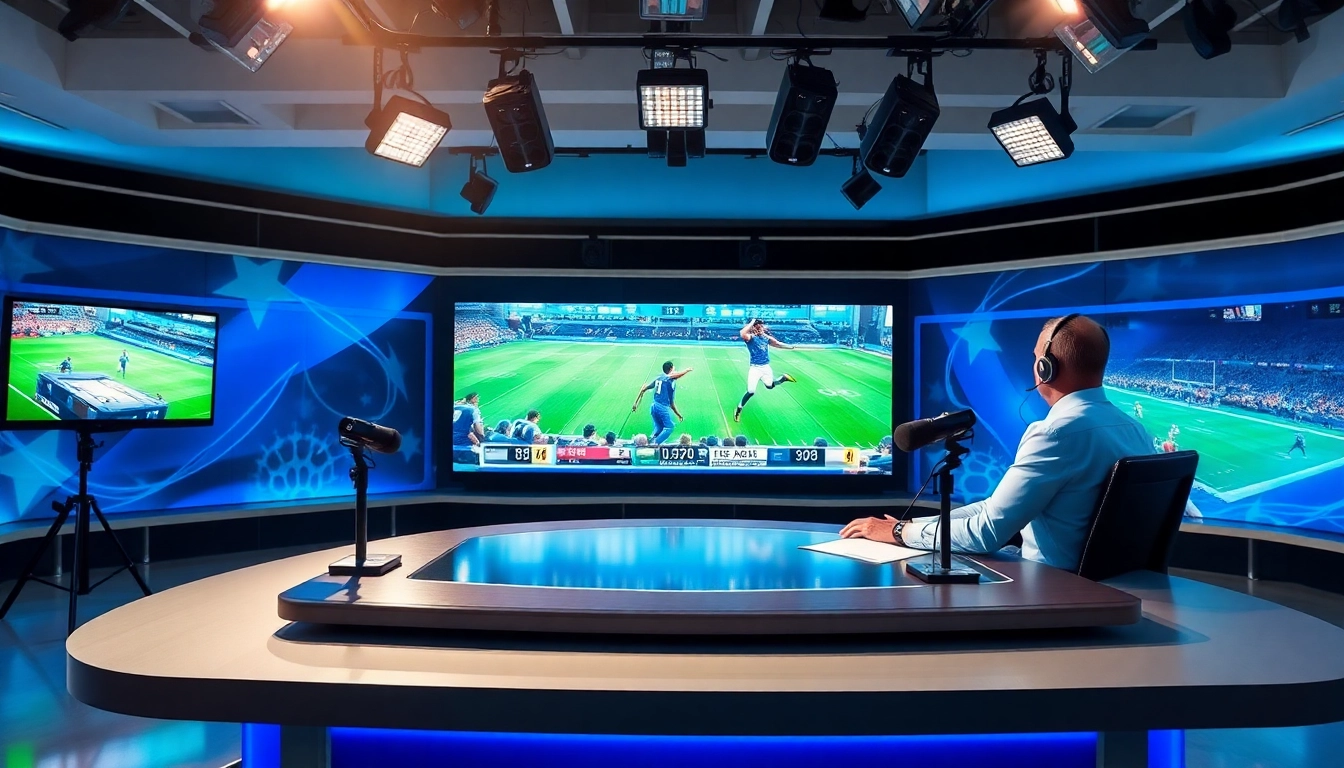
Understanding the Basics of Sports Broadcasting
Sports broadcasting is a dynamic field that combines the thrill of live sports with the art of storytelling. It plays a pivotal role in how audiences engage with their favorite teams and athletes. In this article, we explore the fundamentals of Sports Broadcasting, its key components, and the techniques that make it successful.
What is Sports Broadcasting?
At its core, sports broadcasting involves the live transmission of sporting events to an audience via various platforms such as television, radio, and online streaming. It allows fans to experience the excitement of a game, catch pivotal moments, and gain access to expert commentary and analysis. The primary goal is to keep viewers informed, entertained, and connected to the action unfolding in real-time.
Key Roles and Responsibilities in Sports Broadcasting
The world of sports broadcasting comprises various roles, each contributing to the seamless delivery of compelling content. Key positions include:
- Sports Commentator: Provides live commentary during events, offering insights into gameplay, player performance, and team strategies.
- Analysts: Experts who provide in-depth analysis and breakdowns of game footage, helping viewers understand the intricacies of the sport.
- Producers: Oversee the production of broadcasts, coordinating elements like camera angles, audio feeds, and segment timing.
- Technical Crew: Responsible for the operational aspects of broadcasting, including camera operation, sound mixing, and video editing.
- Hosts and Presenters: Serve as the face of the broadcast, guiding viewers through the coverage and introducing segments and interviews.
Essential Equipment for Sports Broadcasting
The success of sports broadcasting heavily relies on technology. Essential equipment includes:
- Cameras: High-definition cameras capture live action from various angles, ensuring viewers do not miss any critical moments.
- Microphones: Quality microphones are crucial for clear audio, whether capturing commentators or player interviews.
- Mixing Consoles: These devices manage audio inputs, allowing seamless transitions between commentary, interviews, and more.
- Streaming Equipment: Tools and platforms necessary for online streaming, ensuring reliable and high-quality broadcasts across digital media.
- Graphics Software: Used to create overlays, stats, and graphics that enhance viewer engagement and understanding.
Techniques to Enhance Sports Broadcasting
Effective sports broadcasting goes beyond just reporting; it's about creating a captivating experience for the audience. Here are some techniques to enhance the delivery of sports broadcasts.
Effective Communication Skills for Broadcasters
Communication is the foundation of sports broadcasting. Broadcasters need to be articulate, engaging, and responsive. Here are key aspects to focus on:
- Clarity: Clear and concise language ensures that viewers, regardless of expertise, can follow the action.
- Energy: An enthusiastic delivery can heighten viewers' excitement and investment in the broadcast.
- Adaptability: Broadcasters must adjust their style for different audiences, whether providing technical details for hardcore fans or simple explanations for novices.
- Listening: Effective communication involves listening to fans' reactions and feedback to adjust commentary in real-time.
Utilizing Graphics and Stats in Sports Broadcasting
Visual elements significantly enhance the viewer experience. Incorporating graphics and statistics can provide context and enrich storytelling:
- Infographics: Showcasing player stats and historical data visually to enhance viewer understanding.
- Real-time Updates: Integrating live stats during games to provide viewers with ongoing information about performance.
- Highlight Reels: Utilizing graphic sequences to recap key moments during and after the broadcast.
- Virtual Graphics: Enhancing the viewing experience with augmented reality features that provide viewers with in-depth analysis.
Engaging Audience through Storytelling
Beyond the game, engaging storytelling can draw audiences in and maintain their interest throughout broadcasts. This can be achieved by:
- Player Backstories: Sharing personal stories of athletes that connect them with viewers on a human level.
- Team Narratives: Highlighting rivalries and historical context to enhance the significance of games.
- Expert Interviews: Featuring coaches, players, and sports personalities to provide insider perspectives and deepen viewer engagement.
- Thematic Story Arcs: Creating narrative threads that span the season, keeping the audience invested from start to finish.
Current Trends in Sports Broadcasting
The landscape of sports broadcasting is evolving rapidly, influenced by technology, viewer preferences, and the digital revolution.
Impact of Digital Media and Streaming
The rise of digital platforms has transformed how fans consume sports content. Key impacts include:
- Accessibility: Viewers can now access games from anywhere, on any device, changing the traditional broadcasting model.
- On-Demand Content: Fans expect to watch games at their convenience, leading broadcasters to offer extensive replays and highlight packages.
- Social Media Integration: Platforms like Twitter and Instagram enhance viewer engagement, allowing real-time interaction during broadcasts.
- Subscription Models: Many sports networks are shifting to subscription-based streaming services, providing tailored content to specific audiences.
Emerging Technologies and Their Applications
Technological advancements are pushing the boundaries of what's possible in sports broadcasting:
- Virtual Reality (VR): Offers immersive viewing experiences, allowing fans to feel as if they are part of the action.
- Artificial Intelligence (AI): Facilitates data analysis, automating highlights and creating personalized content for viewers.
- Drone Cameras: Provide unique aerial perspectives of events, enhancing the visual appeal of broadcasts.
- 5G Technology: Increases streaming quality and reduces latency, ensuring a smooth viewing experience even for mobile users.
Shifts in Viewership Preferences
As demographics shift, so do viewer preferences. Key trends to note include:
- Youth Engagement: Younger audiences favor highlights and bite-sized content over full game broadcasts, influencing programming decisions.
- Diverse Content Formats: Viewers now seek varied content types, including podcasts, behind-the-scenes videos, and analytical discussions.
- Inclusivity: Broadcasters are increasingly focusing on diverse representation, showcasing athletes and stories from various backgrounds.
- Community Interaction: Engaging audiences through interactive content, polls, and live chats has become a necessity for retention.
Best Practices for Successful Sports Broadcasting
To excel in sports broadcasting, professionals should adopt several best practices that enhance the overall quality of their broadcasts.
Preparing for a Live Broadcast
Preparation is critical to success in live broadcasting. Essential steps include:
- Research: Comprehensive understanding of teams, players, and statistics to provide informed commentary.
- Script Development: Drafting outlines of segments to ensure smooth transitions and continuity during the broadcast.
- Technical Checks: Verifying all equipment—cameras, microphones, and streaming setup—before going live.
- Audience Consideration: Tailoring content and presentation styles to suit the audience demographic.
Handling Live Situations and Emergency Protocols
In broadcasting, unexpected situations can arise. Being prepared can make all the difference:
- Clear Protocols: Establish procedures for dealing with technical failures, weather interruptions, and other emergencies.
- Backup Resources: Maintain alternative equipment and contingency plans to minimize disruption during live broadcasts.
- Flexible Commentary: Be ready to adjust commentary to accommodate unforeseen developments during the event.
- Team Coordination: Effective communication with the production crew ensures that everyone is informed and ready to act swiftly.
Building Relationships with Athletes and Teams
Fostering connections with athletes and teams is vital for gaining trust and securing better access to stories:
- Engagement: Regularly interacting with players during and off the season helps build rapport.
- Transparency: Being open about intentions helps establish mutual respect between broadcasters and athletes.
- Networking: Participating in industry events and team functions can pave the way for collaboration and insider access.
- Consistency: Regularly featuring players or teams fosters a sense of familiarity and trust, encouraging openness during interviews.
Future of Sports Broadcasting: Challenges and Opportunities
Looking ahead, sports broadcasting faces both challenges and opportunities as technology and consumer behavior continue to evolve.
Adapting to Changing Audience Demographics
As audiences become more diverse and tech-savvy, broadcasters must adapt their strategies:
- Tailored Content: Creating content that resonates with different demographic groups encourages wider viewership.
- Language Accessibility: Providing multilingual broadcasts can attract a broader audience and enhance engagement.
- Accessibility Features: Ensuring broadcasts cater to viewers with disabilities enhances inclusivity.
- Mobile Optimization: Adapting content for mobile platforms reflects the rising trend of mobile viewership.
Monetization Strategies in Sports Broadcasting
As the landscape evolves, developing sustainable monetization strategies is essential:
- Sponsorships: Forming partnerships with brands can provide financial support and enhance broadcast content.
- Diverse Revenue Streams: Offering subscription services, merchandise, and premium content can provide additional income sources.
- Advertising Innovations: Exploring creative advertising methods, such as dynamic ads and product placements, can enhance viewer monetization.
- Fan Engagement: Building monetizable community platforms that offer exclusive content to engaged fans can drive revenue.
Sustainability and Ethical Considerations in Broadcasting
As the world becomes more environmentally conscious, ethical broadcasting practices are critical:
- Reducing Carbon Footprint: Implementing sustainable production practices, such as minimizing travel and using energy-efficient technologies.
- Responsible Content Creation: Ensuring coverage reflects diverse narratives and doesn't perpetuate stereotypes is essential.
- Transparency: Being open about partnerships and sponsorships promotes trust among audiences.
- Community Engagement: Supporting local communities through initiatives can enhance brand reputation and loyalty.
Frequently Asked Questions
What skills are essential for a sports broadcaster?
Skills such as clear communication, adaptability, sports knowledge, and audience engagement are crucial for success in sports broadcasting.
How do broadcasters prepare for a live sports event?
Preparation involves researching teams and players, scripting segments, conducting technical checks, and tailoring content to their audience.
What are the latest trends in sports broadcasting?
Current trends include the impact of digital streaming, the use of immersive technologies like VR, and a shift towards personalized content for viewers.
How can I get into sports broadcasting?
Start by pursuing education in communications or broadcasting, gaining experience through internships, and networking with professionals in the field.
What role do graphics play in sports broadcasting?
Graphics enhance storytelling by providing real-time stats, highlighting key moments, and maintaining audience engagement with visual content.