Overview of the Everest Base Camp Trek
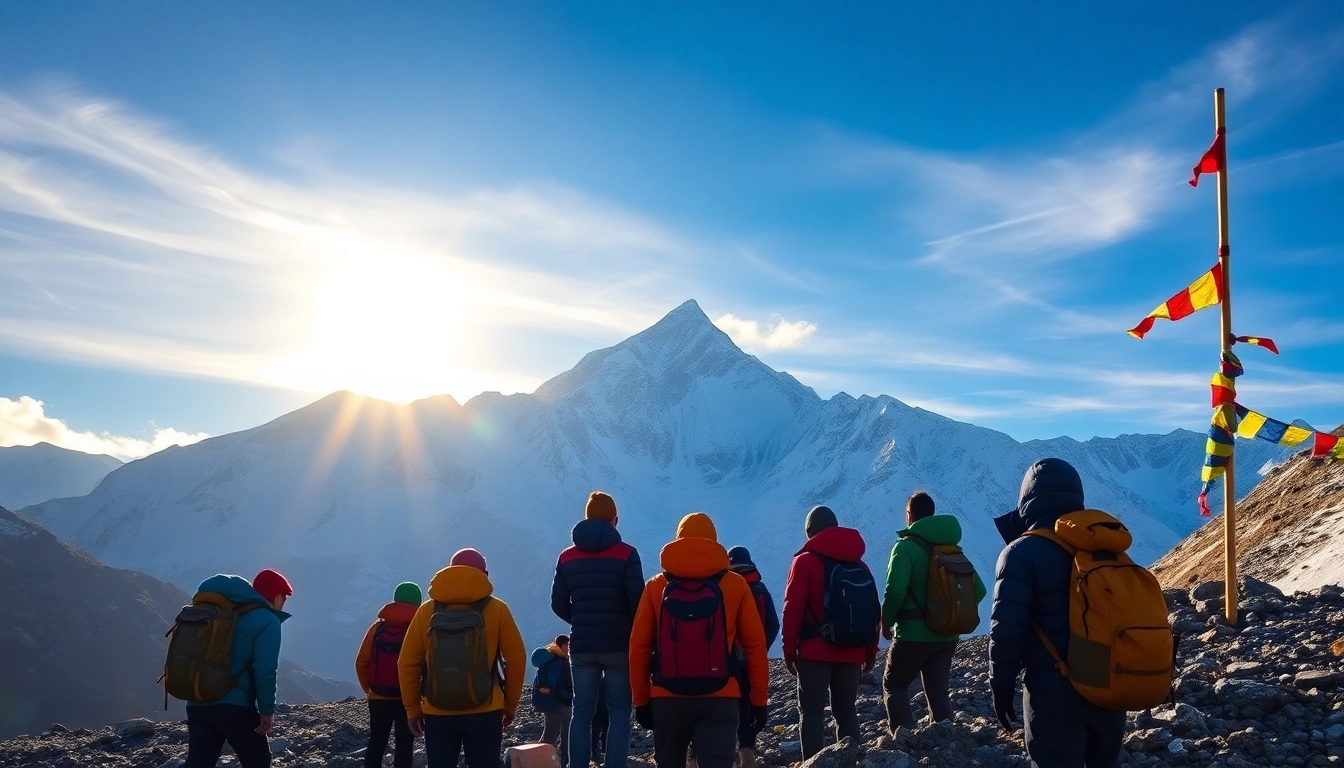
The Everest Base Camp Trek (EBC) is one of the most iconic and sought-after trekking experiences in the world, drawing adventurers from all corners of the globe. Over the course of 14 days, trekkers will not only navigate the breathtaking trails of the Khumbu region but also immerse themselves in the rich culture and customs of the Sherpa community. Achieving a height of 5,364 meters (17,598 feet), this trek provides unparalleled views of towering peaks, including the majestic Mount Everest itself. When exploring options, Everest Base Camp Trek packages offer comprehensive insights and experiences tailored to every trekker's needs, from seasoned climbers to enthusiastic first-timers.
What to Expect: Trek Duration and Elevation
The EBC trek typically spans 14 days, with the ascent to Everest Base Camp being the culmination of the journey. Trekking at high altitudes involves certain risks, but with proper acclimatization and guidance, trekkers can expect to enjoy stunning landscapes, diverse ecosystems, and the opportunity to witness some of the world's highest peaks up close.
Scenic Highlights Along the Route
- Namche Bazaar: Known as the gateway to the Everest region, this vibrant Sherpa town offers a mix of local culture, shops, and stunning mountain views.
- Tengboche Monastery: The oldest monastery in the Khumbu region provides a serene atmosphere and a backdrop of majestic mountain scenery.
- Kala Patthar: This peak offers some of the best views of Mount Everest, especially at sunrise, making it an unmissable highlight of the trek.
- Gorak Shep: The last stop before reaching base camp, where trekkers can soak in the raw beauty of the surrounding glaciers and peaks.
Why Choose Ace the Himalaya for Your Trek
Ace the Himalaya is renowned for its commitment to providing exceptional trekking experiences. With a team of experienced guides, well-organized itineraries, and a focus on sustainable tourism, trekkers can expect a blend of adventure, comfort, and safety. Our extensive knowledge of the region ensures that you will have support, from the moment you arrive in Kathmandu until your return home.
Planning Your Everest Base Camp Trek
Planning your Everest Base Camp trek is crucial to ensuring that you have a memorable experience. This involves understanding the essential packing list, breaking down costs for 2025, and familiarizing yourself with the best seasons to trek.
Essential Packing List for EBC Trek
Preparation is key for the Everest Base Camp Trek. Below is a comprehensive packing list to help you get started:
- Upper Body: Lightweight base layers, fleece jackets, down jackets, waterproof jacket.
- Lower Body: Trekking pants, thermal leggings, shorts.
- Hands: Good quality gloves, liners for warmth.
- Feet: Sturdy trekking boots, thermal socks, sandals for relaxation.
- Undergarments: Moisture-wicking underwear and thermal tops.
- First Aid Kits and Medications: Basic first aid supplies, altitude sickness medications, and personal medications.
- Other Essentials: Water purification tablets, sunscreen, lip balm, trekking poles, and a camera.
Cost Breakdown for 2025 Trek Packages
Understanding the financial aspect of the trek is essential. Here’s a general breakdown of costs you can expect for the 2025 packages:
- Standard EBC Trek: Approximately $1,650 per person for a 14-day trek.
- Luxury EBC Trek: Starting from $3,500, which includes upgraded accommodations and services.
- Helicopter Return Trek: A unique experience costing around $1,950 with a helicopter return option.
Additional costs such as tips, personal expenses, and meals in Kathmandu should also be considered when budgeting for your overall experience.
Understanding Weather Patterns and Best Seasons
The best times to embark on your Everest Base Camp trek are during the spring (March to May) and autumn (September to November). During these periods, the weather is more stable, offering clearer skies and milder temperatures.
- Spring: Typically sees temperatures ranging from 20°C (68°F) during the day to -15°C (5°F) at night, ideal for trekking.
- Autumn: Provides a similar temperature range with stunning views of the fall colors in the lower valleys.
- Monsoon Season: From June to mid-September, is generally avoided due to heavy rainfall, which can increase the risk of landslides.
- Winter: Is chilly, dropping to -20°C (-4°F) at higher altitudes. This season is less crowded, but requires careful planning for appropriate gear.
Acclimatization: Staying Healthy on the Trail
High altitude trekking poses unique challenges, making acclimatization essential for maintaining health and performance during the Everest Base Camp trek.
Importance of Acclimatization Days
Key acclimatization days built into the itinerary, particularly in Namche Bazaar and Dingboche, help your body adjust to the reduced oxygen levels at higher altitudes, reducing the risk of altitude sickness.
Recognizing Altitude Sickness Symptoms
Altitude sickness can manifest with symptoms such as headaches, nausea, fatigue, and difficulty sleeping. Being alert to these signs is vital for your safety. If symptoms occur, it’s essential to descend to a lower altitude immediately and seek medical attention if necessary.
Health Tips for High-Altitude Trekking
To ensure a safe trekking experience, follow these health tips:
- Stay hydrated: Drink plenty of water to combat dehydration.
- Eat well: Maintain a balanced diet rich in carbohydrates to provide energy.
- Take it slow: Gradual ascents lead to fewer altitude-related issues.
- Listen to your body: If you feel unwell, don’t hesitate to rest or descend.
Cultural Insights and Interactions
Part of the allure of the Everest Base Camp trek is the opportunity to engage with the local Sherpa culture. This journey goes beyond physical adventure; it’s an enriching cultural experience.
Meeting the Sherpa Community
The Sherpa people are known for their warmth and hospitality. Engaging with them can provide unique insights into their customs, traditions, and daily lives, enriching your trekking experience.
Understanding Local Traditions and Practices
From festivals to religious practices, the Sherpa culture is steeped in tradition. Be open to learning, and respectful to the customs you encounter during your trek.
Respectful Trekking Etiquette
To ensure a harmonious interaction with local communities, observe the following etiquette tips:
- Ask before taking photos of individuals.
- Be respectful in your conversations about culture and religion.
- Follow local guidelines during interactions in villages and monasteries.
Preparing for Your Journey
Proper preparation is key to a successful trek. Focus on building your physical fitness, selecting the right gear, and ensuring that you have appropriate travel insurance.
Physical Fitness Training Recommendations
Physical fitness is vital for enjoying the trek. Engaging in regular cardiovascular and strength training exercises, combined with long-distance hikes, will best prepare you for the demands of the EBC trek.
Choosing the Right Trekking Gear
Selecting appropriate gear is crucial for comfort and safety. Invest in high-quality trekking boots, layered clothing, and essential trekking equipment such as hydration systems and first aid kits.
Travel Insurance: What You Need to Know
Before heading to the mountains, ensure you have travel insurance that covers trekking at high altitudes, including emergency evacuation. Review policy details carefully to ensure comprehensive coverage.