Understanding Power Flush: What It Is and Why You Need It
In the world of home maintenance, the concept of a power flush is pivotal for ensuring the efficiency and longevity of your heating systems. A power flush is a specialized cleaning process that targets central heating systems, removing accumulated sludge, rust, and debris. This buildup can significantly impair the efficiency of your heating system, leading to increased energy bills and ineffective heating. Therefore, understanding the ins and outs of power flushing can help homeowners maintain optimal heating performance while preventing costly repairs. When exploring options, power flush services provide comprehensive insights into maintaining your heating system’s integrity.
1. What is a Power Flush?
A power flush is a process used to clean and restore the efficiency of a central heating system. It involves circulating water at high velocity through the radiators and pipes, dislodging any debris and sludge that may have built up over time. Typically, a power flush will utilize specialized equipment that injects cleaning chemicals and ensures the system is thoroughly cleared. This method not only restores heating efficiency but can also extend the lifespan of the system by preventing potential damages.
2. Benefits of Power Flushing Your Heating System
- Improved Heating Efficiency: A clean system allows for better water circulation, resulting in faster heating of your home.
- Lower Energy Bills: By enhancing efficiency, power flushing can lead to significant savings on your heating costs.
- Prolonged System Lifespan: Regular maintenance, including power flushing, can prevent costly breakdowns and repairs.
- Reduced Noise: Clearing sludge from radiators often eliminates gurgling or banging noises caused by trapped air and debris.
3. Common Misconceptions About Power Flushing
Despite its benefits, several misconceptions surround power flushing. One common myth is that it is only necessary for older heating systems. In reality, even newer installations can benefit from this service as sludge buildup can occur at any time. Another misconception is that power flushing is an invasive method that will damage your home’s plumbing; however, qualified technicians utilize non-invasive techniques ensuring minimal disruption.
Signs Your Home Needs a Power Flush
Detecting when your heating system requires a power flush is crucial in maintaining its efficiency and effectiveness. Here are some telltale signs that indicate your system may need immediate attention.
1. Reduced Heating Efficiency Symptoms
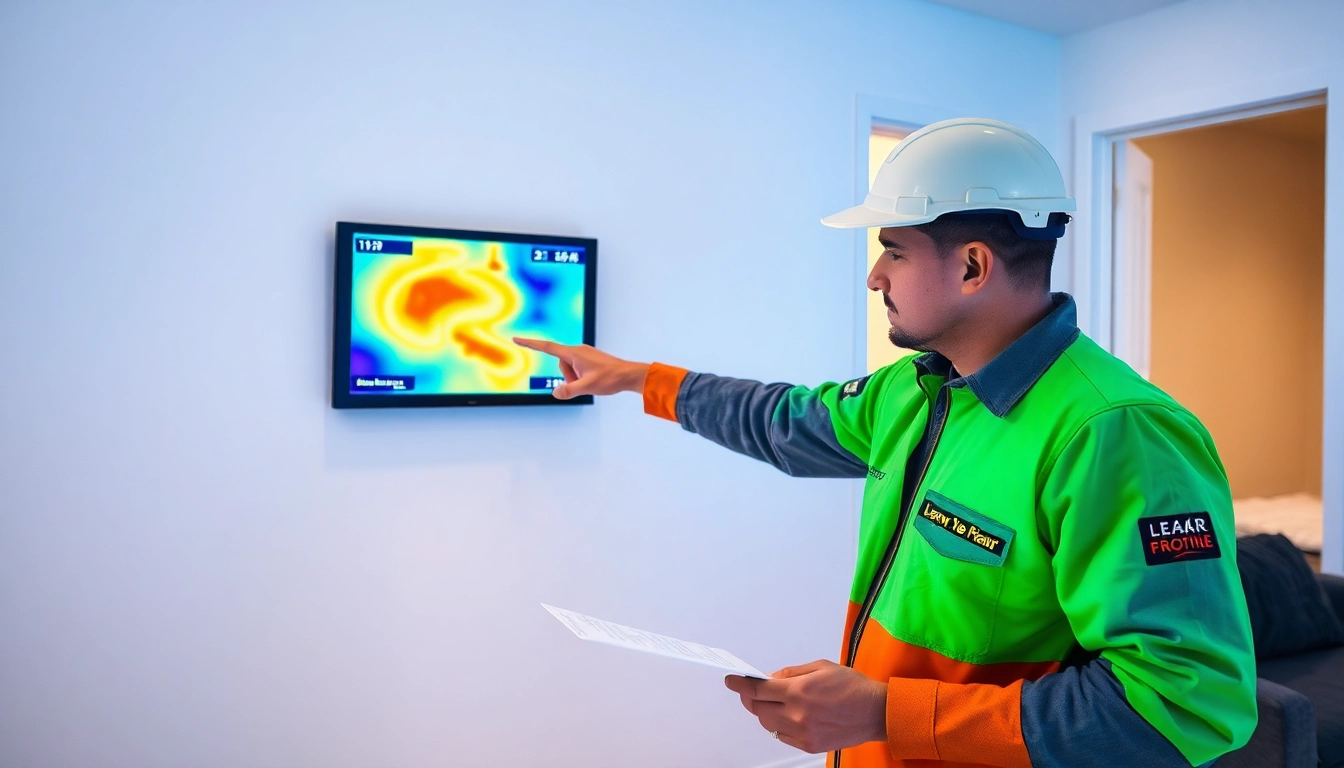
If you notice that certain areas of your home are not heating as effectively as others, it is a possible indicator of sludge buildup within your heating system. Hot spots followed by cold areas often signal that the flow of hot water is restricted.
2. Noise Issues from Radiators
Radiators that make unusual noises, such as banging or gurgling, may be experiencing trapped air or sludge accumulation. These noises can reduce comfort levels and signal the need for a power flush to clear obstructions thoroughly.
3. Unexplained Increases in Heating Bills
Rising energy costs can often be a reflection of a heating system working harder than it should due to blockages. If your heating bills have suddenly increased without a corresponding rise in usage, it’s time to consider a power flush.
How a Power Flush Works: Techniques and Technologies
The process of power flushing is intricate, employing various techniques and technologies to ensure optimal results. Understanding how a power flush works can give homeowners confidence in the effectiveness of the service.
1. The Power Flushing Process Explained
The power flushing process typically begins with an initial assessment to determine the extent of the buildup within the system. This is followed by connecting a power flushing machine to the central heating system, which pumps a mixture of water and cleaning agents through the radiators and pipes at high velocity. This action dislodges debris while circulating fresh water to flush it out of the system.
2. Advanced Technologies Used in Power Flushing
Modern power flushing utilizes advanced technologies to enhance efficiency and effectiveness. High-efficiency pumps and water circulation methods ensure that the cleaning solution reaches every corner of the heating system, dislodging any obstructions.
3. Non-Invasive Methods: What to Expect
Today’s power flush services employ non-invasive methods, reducing damage to your home. Technicians use specialized hoses and equipment that minimizes disruption by connecting to existing plumbing without needing to tear into walls or flooring.
Choosing a Professional for Your Power Flush
Selecting the right professional to conduct a power flush is essential in ensuring successful results. Here are key considerations to keep in mind when hiring a technician.
1. Qualifications to Look For in a Technician
Always verify that the technician you choose is certified and experienced in conducting power flushes. Look for qualifications from recognized plumbing or heating organizations, ensuring they follow industry standards and codes.
2. Cost Factors for Power Flushing Services
The cost of a power flush can vary based on the size of your heating system and the extent of the work required. Typically, homeowners can expect to pay between £300 and £800, depending on the property's size and condition. Be sure to obtain multiple quotes and understand what is included in the pricing to avoid unexpected charges.
3. Importance of Guarantees and Reporting
Professional power flush services should always provide a guarantee for their work, along with a detailed report of the cleaning process. This documentation should outline the findings, any recommended follow-up actions, and assurance of the results achieved.
Future Trends in Power Flushing and Heating Efficiency
As technology evolves, the landscape of power flushing and heating efficiency continues to change. Awareness of future trends can help homeowners stay ahead of the curve.
1. Emerging Technologies in Leak Detection and Power Flushing
New technologies are continually being developed that enhance the capabilities of leak detection and power flushing. Advances in smart technology and IoT (Internet of Things) applications can provide real-time monitoring to detect issues before significant problems arise.
2. Environmental Considerations and Sustainability
With a growing emphasis on sustainability, future power flushing services are likely to adopt more eco-friendly cleaning agents and methods. This shift will not only benefit homeowners but will also minimize the environmental impact of maintaining heating systems.
3. Predictions for the Next Decade in Home Heating Solutions
Looking forward, the industry will likely see a trend toward integrated heating solutions that combine energy efficiency with advanced maintenance techniques like power flushing. Innovations such as hybrid systems and digital diagnostics will make it easier for homeowners to maintain optimal heating performance.