Introduction to DMT: Unveiling its Mysteries
Dimethyltryptamine, commonly known as DMT, is a powerful psychedelic compound that has garnered significant interest in both scientific and recreational contexts. Found naturally in certain plants and in trace amounts within the human body, DMT is famed for its intense and often short-lived hallucinogenic experiences. It is crucial to understand how to get dmt responsibly, as its legality and effects can be complex and varied.
Understanding DMT and Its Effects
DMT is classified as a tryptamine, structurally akin to serotonin and psilocybin. It acts primarily as a serotonergic hallucinogen, meaning it impacts serotonin receptors in the brain, particularly the 5-HT2A receptor, leading to profound changes in perception, mood, and consciousness. Users often report vivid hallucinations, intense emotional experiences, and a feeling of transcending time and space. While the experience typically lasts from 15 to 60 minutes when smoked, the depth of the journey can leave lasting impressions long after.
Historical Context of DMT Use
The use of DMT has roots in ancient indigenous cultures, particularly within South America, where it is often consumed in the form of ayahuasca, a brew made from DMT-containing plants and additional ingredients that modulate its effects. Shamanistic practices have utilized DMT for ritualistic and therapeutic purposes for centuries, illustrating a rich cultural heritage that is gradually being recognized and respected in contemporary therapeutic settings.
The Legality of DMT
The legal status of DMT varies across jurisdictions. In many countries, including the United States, DMT is classified as a Schedule I controlled substance, making its production, sale, and possession illegal outside of specific religious contexts. However, there is a growing movement advocating for the therapeutic potential of DMT and other psychedelics, prompting ongoing discussions and research regarding their decriminalization and medicinal use.
Naturally Sourcing DMT: Plants and Techniques
Many individuals interested in how to get dmt focus on natural sources, primarily because they seek a more holistic approach. While the legal implications vary, understanding the natural extraction processes can be beneficial.
Common Plants Containing DMT
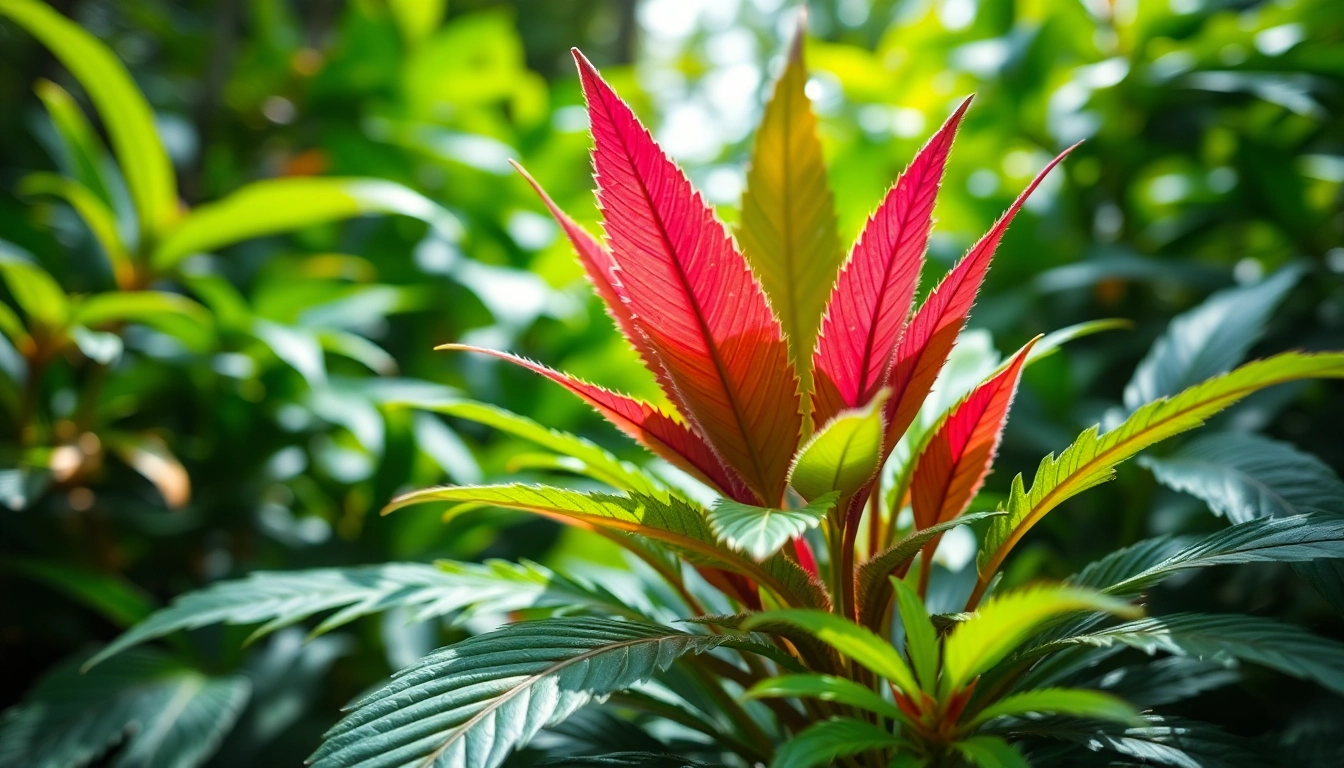
DMT can be found in various plants, some of the most popularly known include:
- Mimosa hostilis: Also called jurema, this plant root bark is often used in DIY DMT extractions.
- Psychotria viridis: This plant is typically used in the ayahuasca brew, containing DMT alongside MAO inhibitors.
- Diplopterys cabrerana: Known as chaliponga, it is another common component in ayahuasca that combines well with other DMT sources.
- Desmanthus illinoensis: This prairie mimosa contains DMT, although its use is less common compared to the others mentioned.
Extraction Techniques: Safe Methods
Extracting DMT from natural sources involves various methods, with some being more complex than others. Acid-base extraction is one of the most common techniques. This method generally involves the following steps:
- Preparation: Begin by grinding the plant material into a fine powder to increase surface area.
- Acidic Solution: Mix the plant powder with an acidic solvent (often vinegar) to facilitate the extraction process.
- Base Addition: After filtering, an alkaline substance such as sodium hydroxide is added to change the pH, which helps separate the DMT base from the solution.
- Solvent Extraction: A non-polar solvent, like naphtha or hexane, is introduced to extract the DMT from the solution.
- Evaporation: Finally, the non-polar solvent is evaporated, leaving behind pure DMT crystals.
It’s essential that anyone considering extraction be mindful of safety and legality. Understanding chemical interactions and employing appropriate safety measures is crucial for successful results.
Microdosing DMT: Benefits and Considerations
Microdosing refers to the practice of consuming sub-threshold doses of a substance to capture its benefits while minimizing the more intense effects that larger doses produce. Users report enhanced creativity, emotion regulation, and increased mindfulness. It is important to approach microdosing cautiously, ensuring a thorough understanding of dosage and effects. Consulting with professionals and being part of a supportive community can enhance the experience and safety of microdosing practices.
Synthesizing DMT: Laboratory Approaches
For those in research or pharmaceutical fields, synthesizing DMT in a laboratory is an alternative method to sourcing it naturally. Understanding synthesis is vital for safe and responsible use in controlled settings.
Chemical Composition of DMT
The chemical structure of DMT is C12H16N2, known for its simplicity and efficacy in binding to serotonin receptors. Understanding its synthesis not only advances knowledge in neuroscience but can lead to novel therapeutic applications, particularly in mental health treatments.
Lab Safety Practices
When synthesizing DMT, safety is paramount. Following laboratory safety protocols, including proper PPE (Personal Protective Equipment), understanding chemical fume hoods, and waste disposal methods is essential. The presence of experts in chemistry and a clear grasp of the regulatory landscape is equally important to ensure ethically responsible practices.
Ethical Considerations in Synthesis
As the conversation around DMT evolves, ethical considerations become increasingly prominent. Balancing scientific pursuit with moral responsibility involves reflecting on potential misuse, ensuring that practices contribute positively to society, and prioritizing health and well-being above recreational use.
Experiences and Effects: What to Expect
Preparing for DMT experiences requires awareness and mindfulness of physical and mental states. While individuals may seek out DMT for different reasons, understanding its effects can help manage expectations.
Short-Term vs. Long-Term Effects
The short-term effects of DMT often manifest as intense visual and auditory hallucinations, rapid emotional shifts, and existential experiences that can feel transcendent or overwhelming. Conversely, long-term effects depend on the context of use—individuals may emerge feeling a renewed perspective on life or, conversely, may encounter challenges in integrating their experiences. It is crucial to approach integration thoughtfully, possibly utilizing therapy or community support.
Set and Setting: Preparing for Experience
Set and setting are critical to any psychedelic experience. The “set” refers to the mindset of the individual, while “setting” pertains to the physical and social environment. Establishing a safe, quiet, and supportive atmosphere can facilitate a more positive experience, reducing anxiety and fostering openness to the experience. It’s advisable to engage with trusted friends or professionals who understand the nuances of psychedelics.
Combining DMT with Other Substances
While some report combining DMT with other psychedelics or substances, this practice carries risks. Each substance affects the body and mind differently, and combining them can lead to unpredictable experiences. Users should conduct thorough research and consult with experienced individuals or professionals before considering poly-drug experiences.
Resources and Support: Getting Help
For those interested in DMT, it is equally important to understand the support resources available to navigate potential challenges associated with its use.
Mental Health Considerations
DMT can evoke powerful emotional responses, which may be therapeutic for some but unsettling for others. Consulting mental health professionals knowledgeable about psychedelics can enhance safety and integration. It’s particularly crucial for individuals with existing mental health conditions to approach DMT with caution and guidance.
Where to Seek Guidance
Training and support networks exist for those looking to integrate psychedelic experiences into their lives. Communities, online forums, and mental health professionals are valuable resources for information, experiences, and support. Seek out reputable organizations that specialize in psychedelic education and harm reduction to ensure a safe experience.
Community Resources for DMT Users
Engaging in community support can foster a safe environment for sharing experiences and learning. Finding local or online groups focused on psychedelic integration, harm reduction, and education can provide insight and connection as one navigates their DMT experiences.
FAQs About DMT
1. What is DMT used for?
DMT is primarily used for spiritual, personal exploration, and in some therapeutic contexts to treat mental health conditions.
2. Is DMT dangerous?
While DMT is not considered physically addictive, it can induce intense psychological experiences that may be challenging without proper support.
3. Can anyone use DMT?
No, particularly individuals with mental health issues or who are pregnant should avoid using DMT due to potential adverse effects.
4. How long does a DMT experience last?
A typical DMT experience lasts about 15 to 60 minutes when smoked, with users returning to baseline relatively quickly.
5. Is DMT legal?
DMT’s legality varies worldwide; in many places, it is classified as a controlled substance and illegal outside of specific contexts.